
The Singer Sewing Machine and The Dakota in New York City: A Thread
How the Singer fortune revolutionized the appliances industry, and changed apartment living in New York
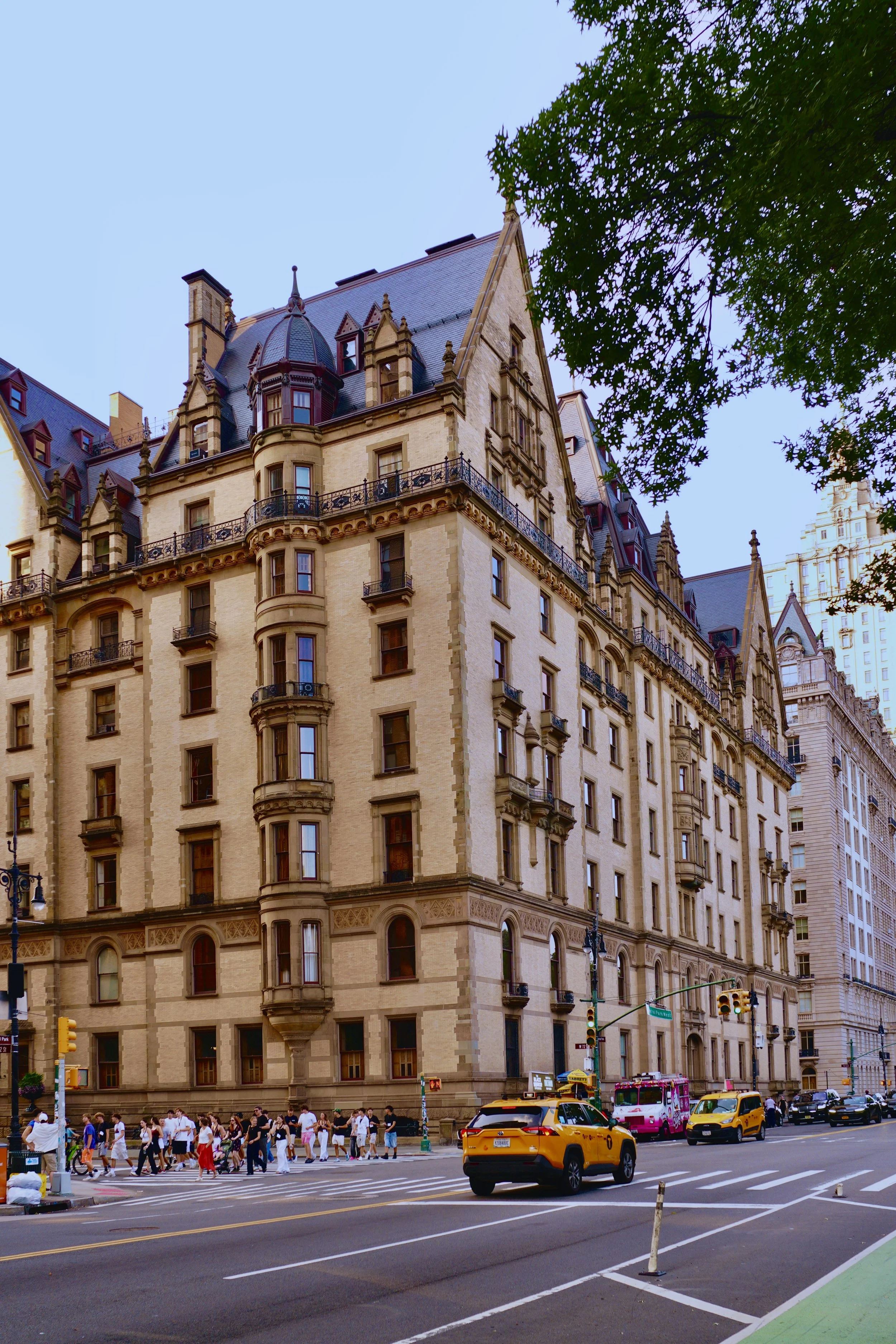
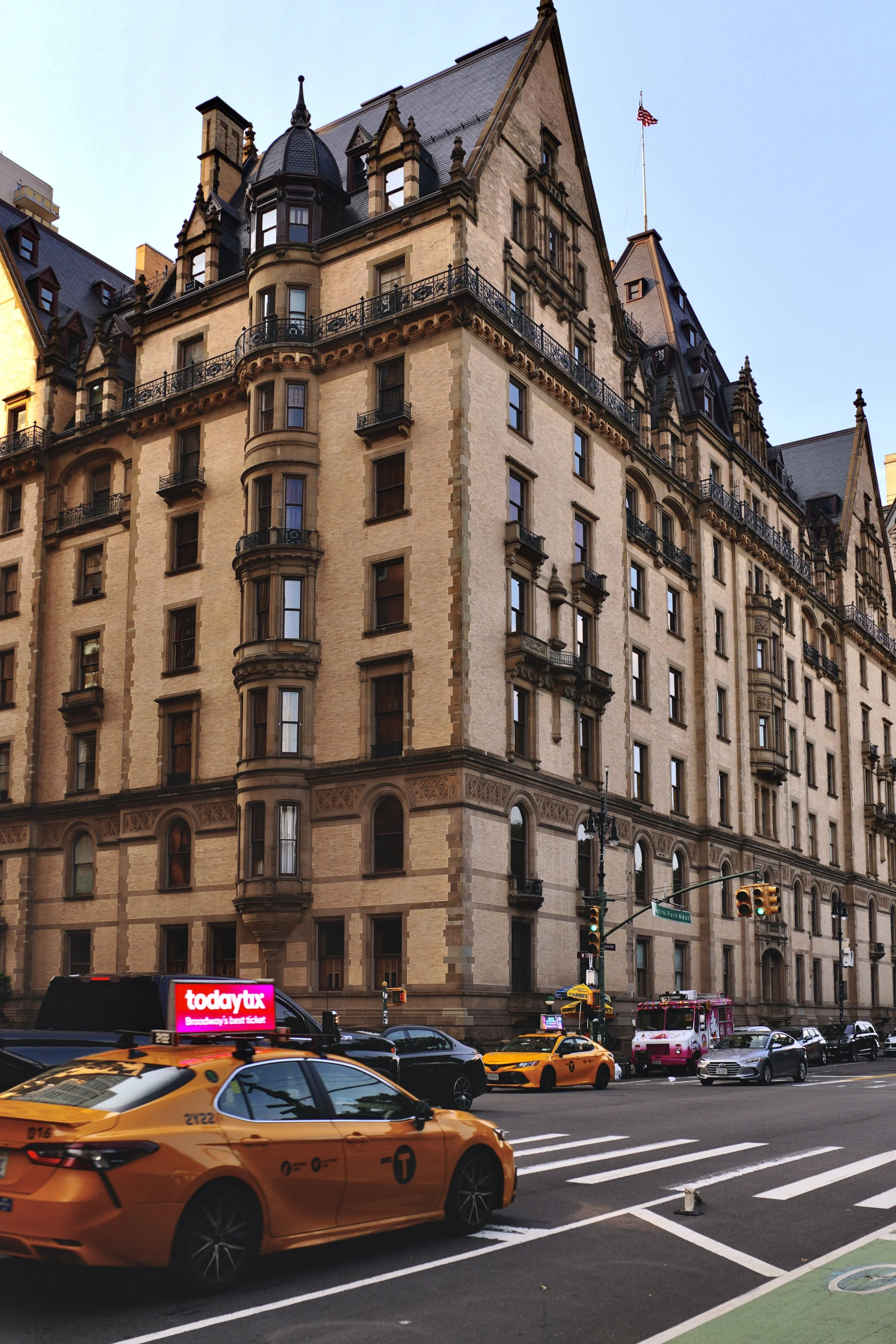
The Dakota building at Central Park West and 72nd Street, New York, Eva Nean
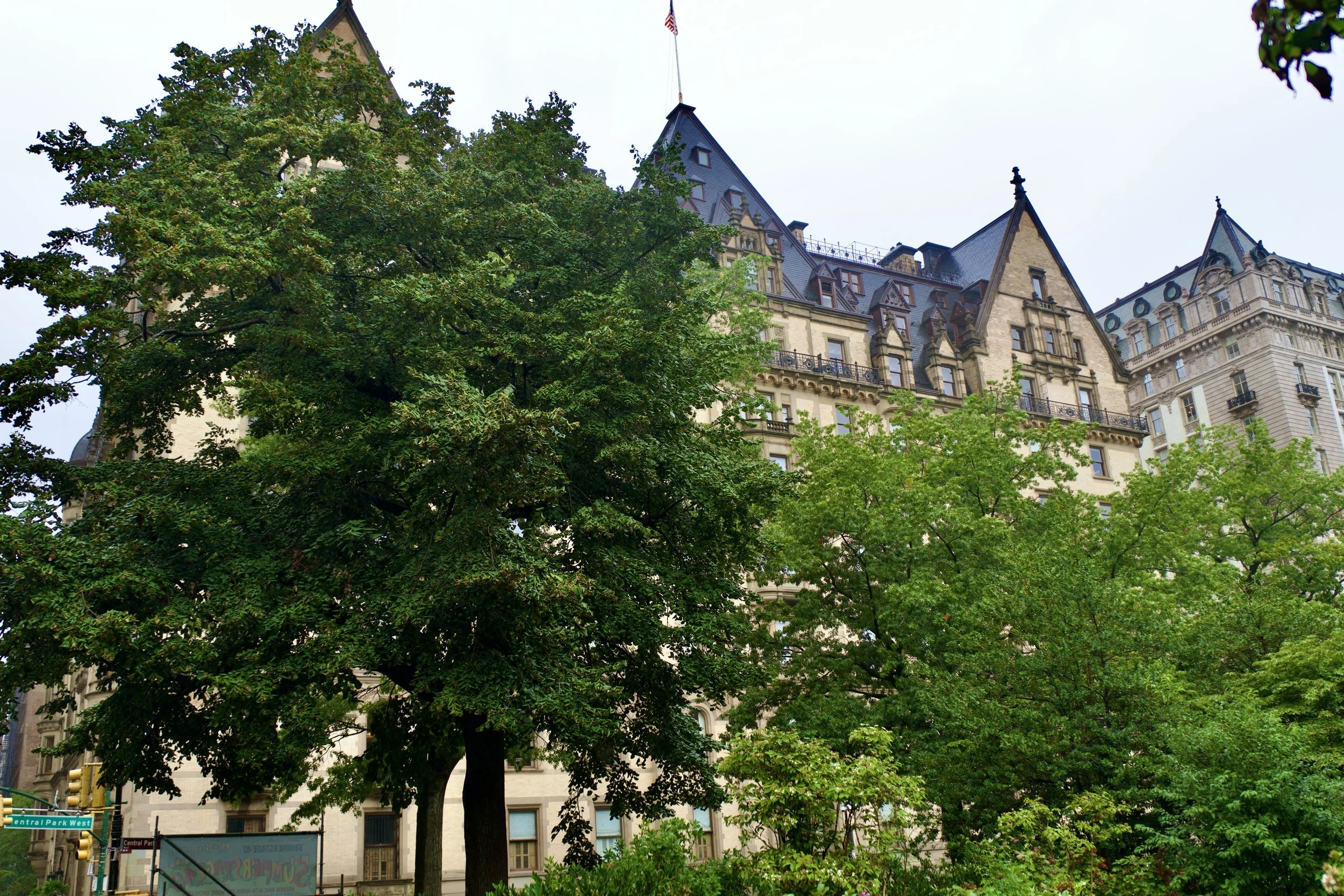
You know the Dakota, at the corner of 72nd Street and Central Park West in New York, in front of Central Park. It is a monument of the Upper West Side, a German Renaissance castle famously recognized for being the last residence of John Lennon before he was shot in front of the building in 1980. It is known for being the backdrop of Roman Polanski’s horror movie Rosemary’s Baby. In the gossip columns, it is iconic for rejecting Madonna and Cher’s applications to live in the building.
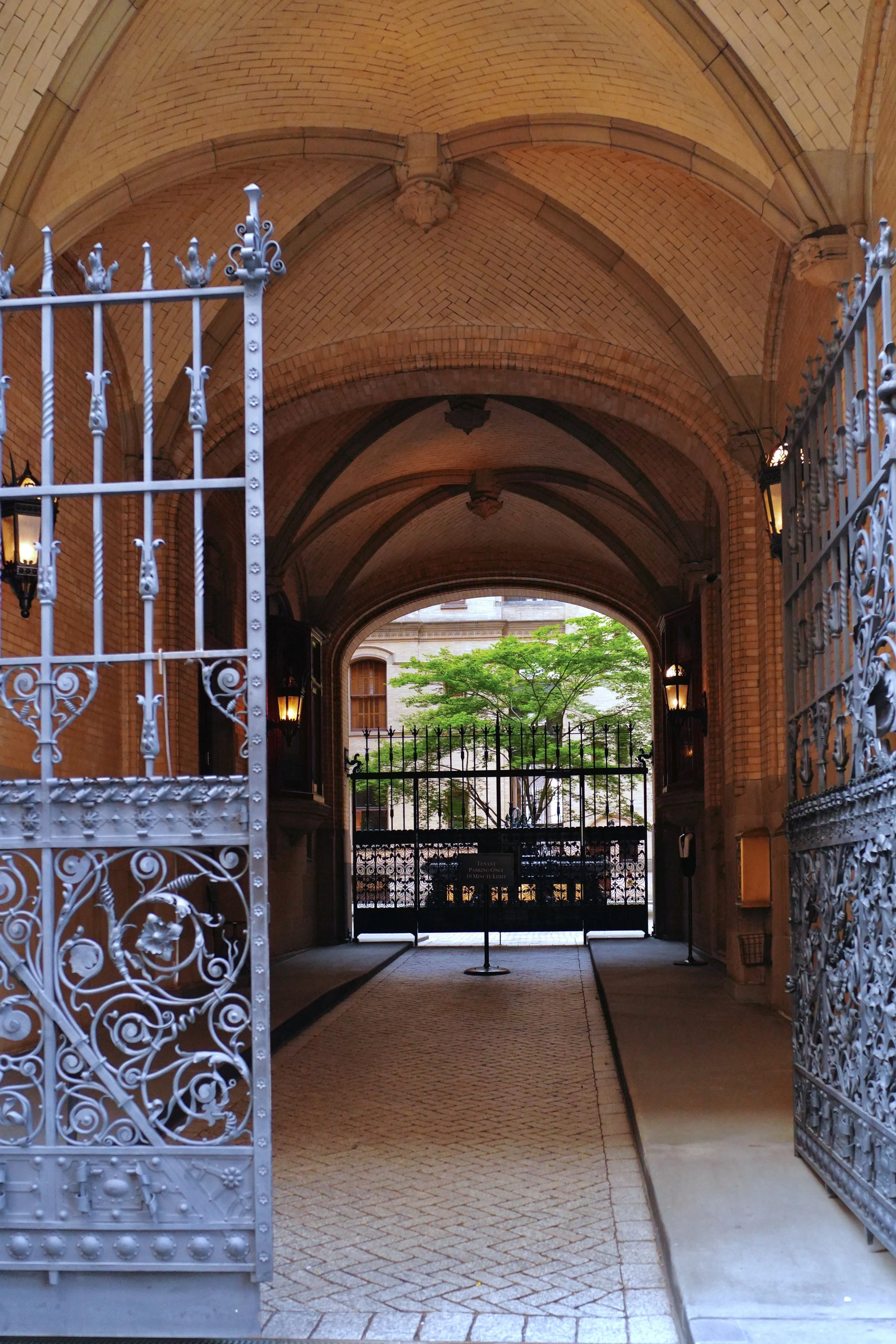
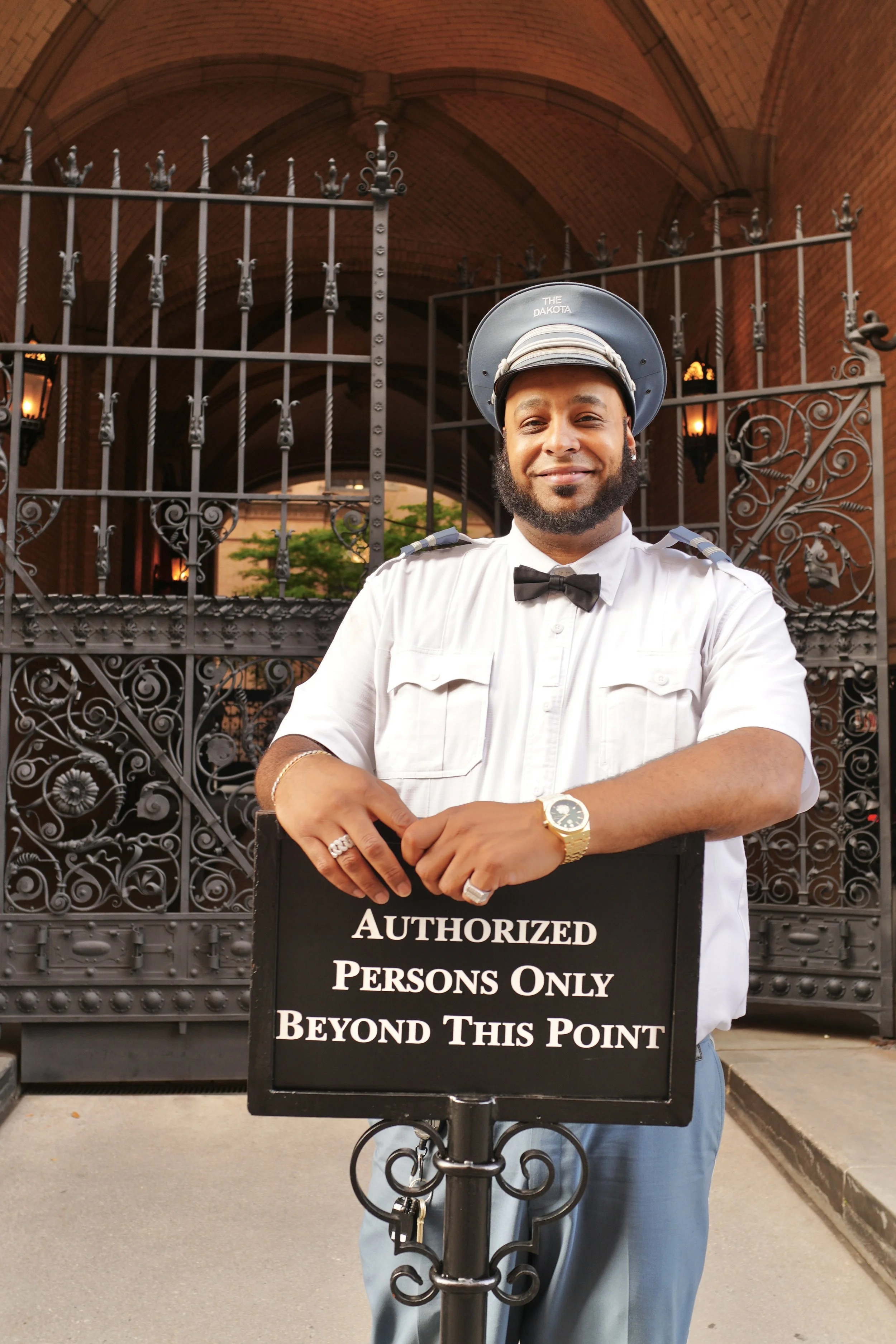
And if you talk to David, the affable doorman who has been working at the Dakota for four years, he will tell you about the eerie feeling in the building at night, the presence that he felt on the upper floors and the goosebumps. The Dakota is the subject of many spooky stories but it is also often called the first true luxury apartment complex in New York City. Its developer, Edward Cabot Clark, was the cofounder of Singer. The Singer fortune built the Dakota and revolutionized apartment living in Manhattan.
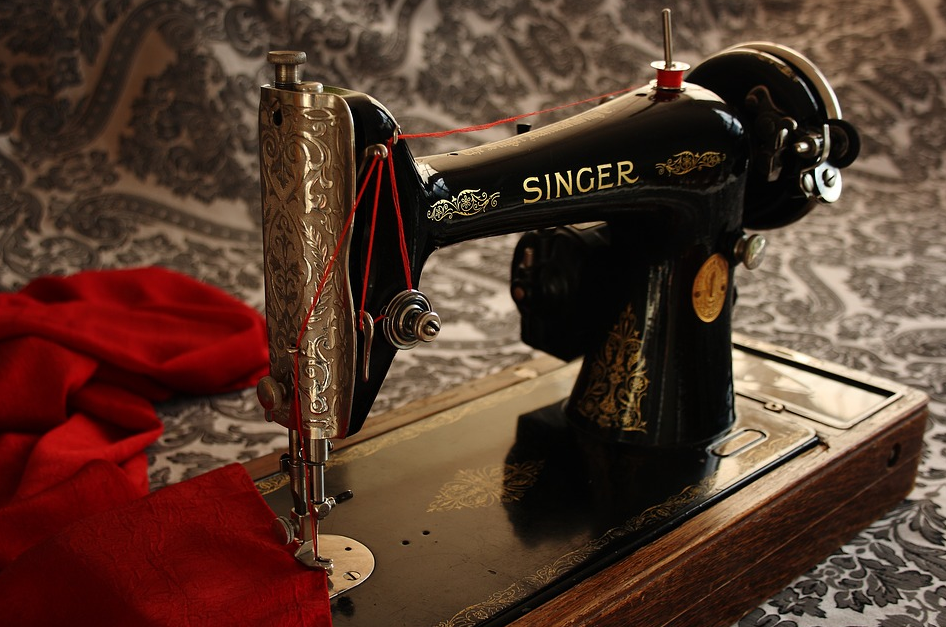
Vintage sewing machine. Photo: Karla-Martinez03 / Wikimedia Commons, CC BY-SA 4.0
In France we call Singer sewing machines, sin-ZHAIR, every country has their version of pronouncing the iconic sewing machine brand. Contrary to popular belief, Isaac Singer, the man behind the Singer sewing machine, didn’t invent the device but he did revolutionize the garment-making industry.
Isaac Singer was not a machinist by trade. He was a struggling actor and colorful man. At one point, he had five wives, supported multiple mistresses and fathered 25 children according to Stephen Birmingham in Life at the Dakota. He worked odd jobs in theatre and showed some mechanical ability in repair shops. In 1850, while repairing a sewing machine in a Boston shop, he figured out how to combine elements of earlier inventions and turn the bulky device into a practical machine that could work without breaking.
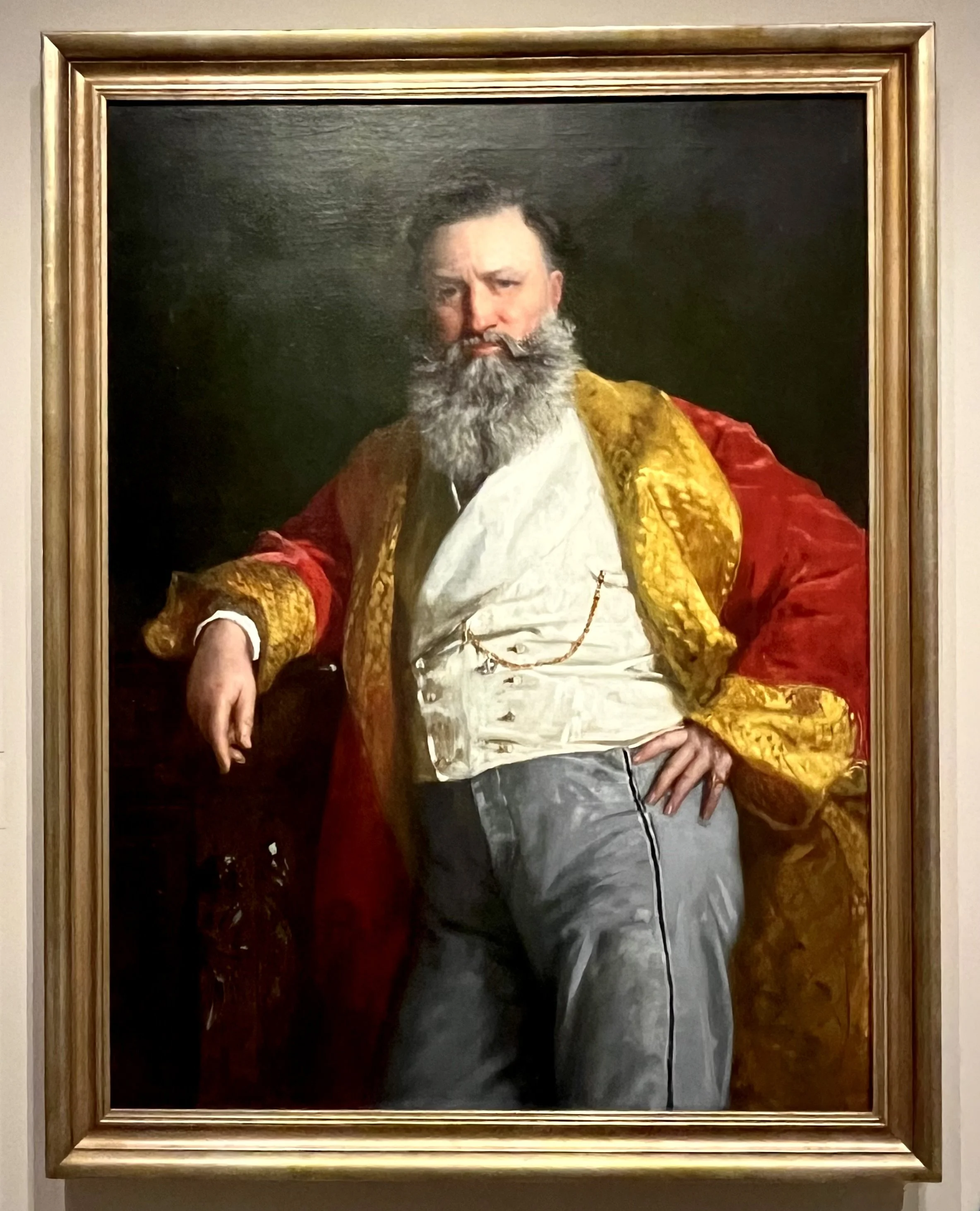
Isaac Merrit Singer,1869. National Portrait Gallery, Smithsonian Institution in Washington D.C., Eva Nean
“Even tiny frail women can operate a Singer ”
While the Singer sewing machine was not the first sewing machine, it was the most practical and it introduced the modern sewing machine as we know it. The catch: the designs were protected by other inventors' patents. This is when Edward Cabot Clark came into the picture.
Clark conducted the litigation that helped Singer buy the patents needed to build the first Singer sewing machine. He also acquired half ownership of the company as he became involved in the business. The sewing machine industry was crowded. At the turn of the century, more than 124 sewing machine companies contributing to innovations. Many sewing companies were initially successful but Singer was the most effective and Clark is credited with its business strategy.
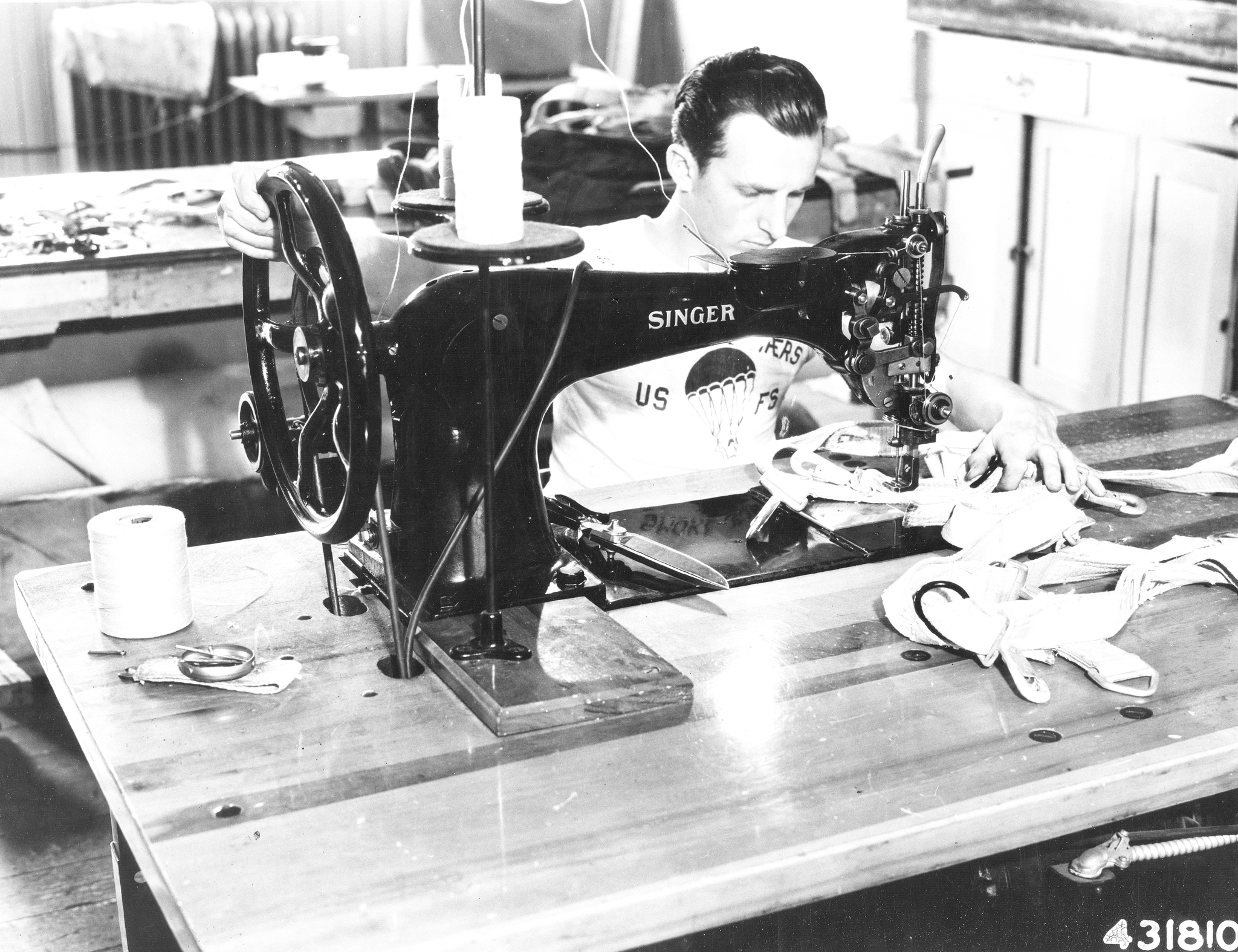
A Singer harness sewing machine, built to stitch five layers of webbing rated at 500 pounds of tensile strength. Lolo National Forest, Montana, 1945. Photograph by Stanley, U.S. Forest Service. Public domain, via Wikimedia Commons.
While today your seven-year-old niece can operate a sewing machine, in the mid-nineteenth century, working home appliances were not common and appliances were operated mostly by men. Imagine a storefront on Broadway, with attractive seamstresses demonstrating the machine. This was Singer’s strategy to win over households. As the advertisement said, “even tiny frail women can operate a Singer.”
Singer also hired an army of sales agents, gave discounts to ministers’ wives whose influence could generate sales, introduced one of the the first installment plans (buying on credit). The machines were expensive and while most sewing companies expected payment upfront, Singer beat the competition by accepting payment over time.
It paid off: hand seamstresses became machine operators and by 1862, 75,000 Singer sewing machines were in American households. Both Clark and Singer became wealthy.
This revolution in craftsmanship started a revolution in how New Yorkers lived. By 1877, Clark had turned to real estate and thought he could sell the Dakota to New Yorkers the same way he sold Singer machines all over the world.
“Like a sewing machine, the Dakota would offer convenience, a short-cut route to opulent living with none of the problems of upkeep, and at a fraction of the expense that went with owning a private house.”
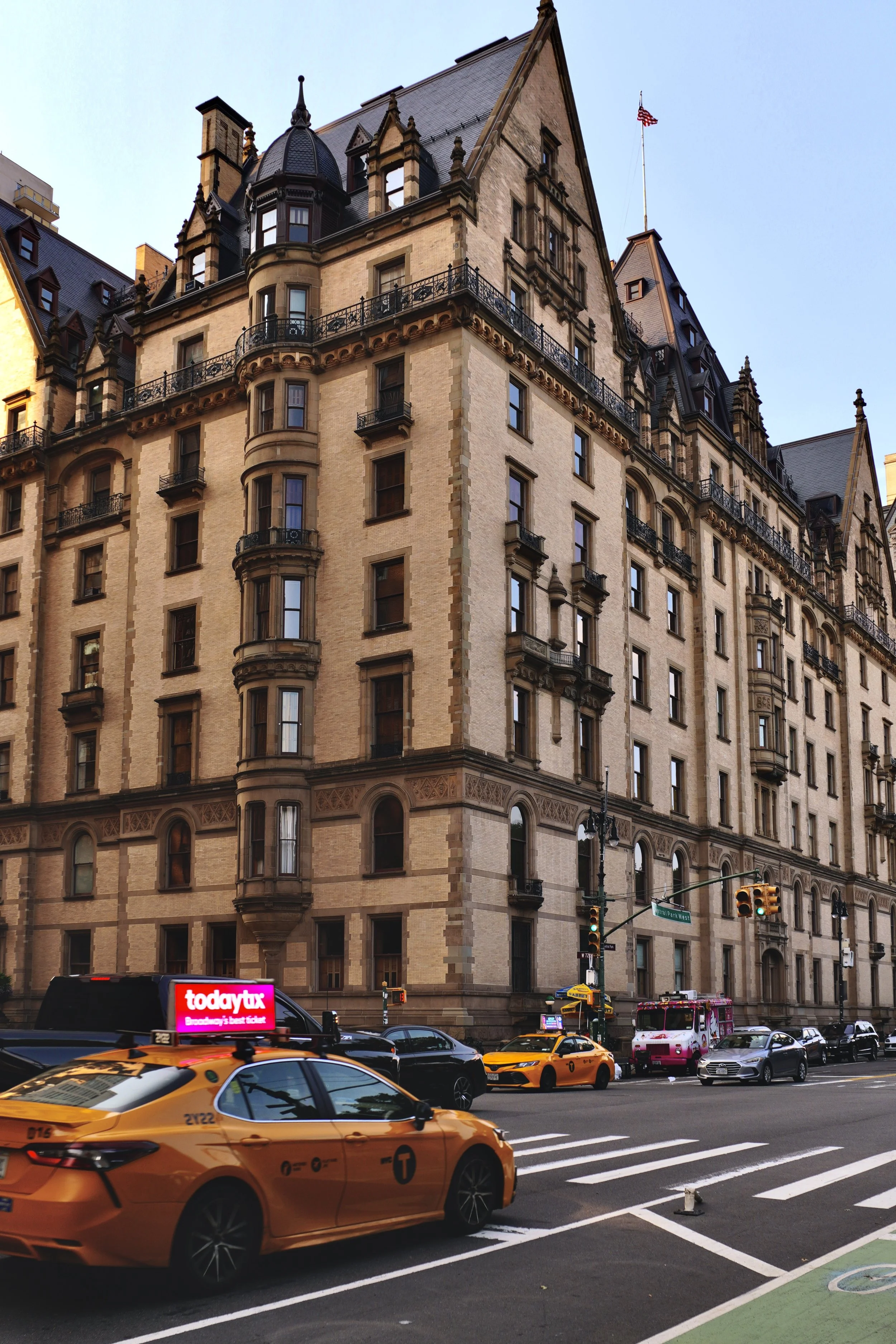
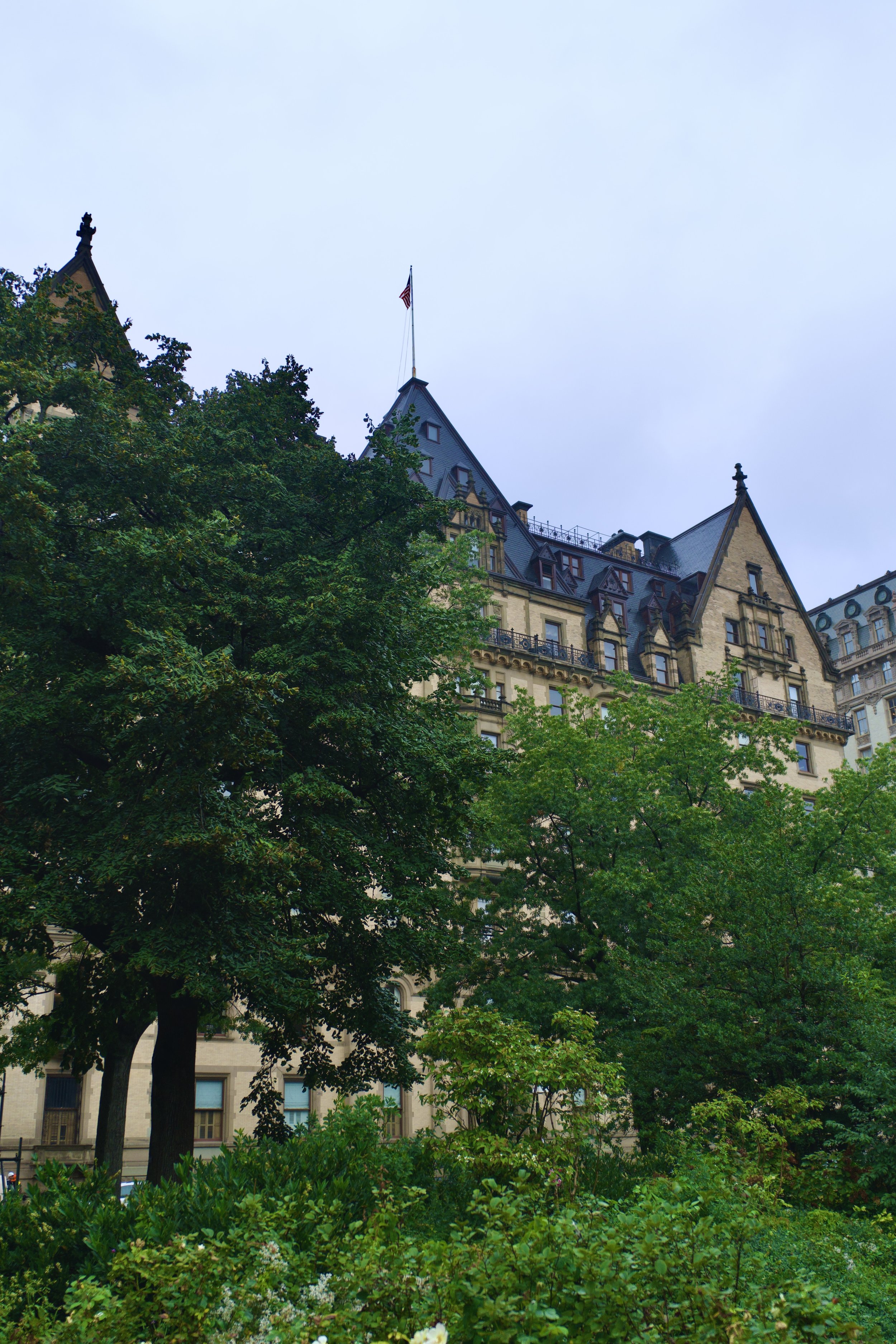
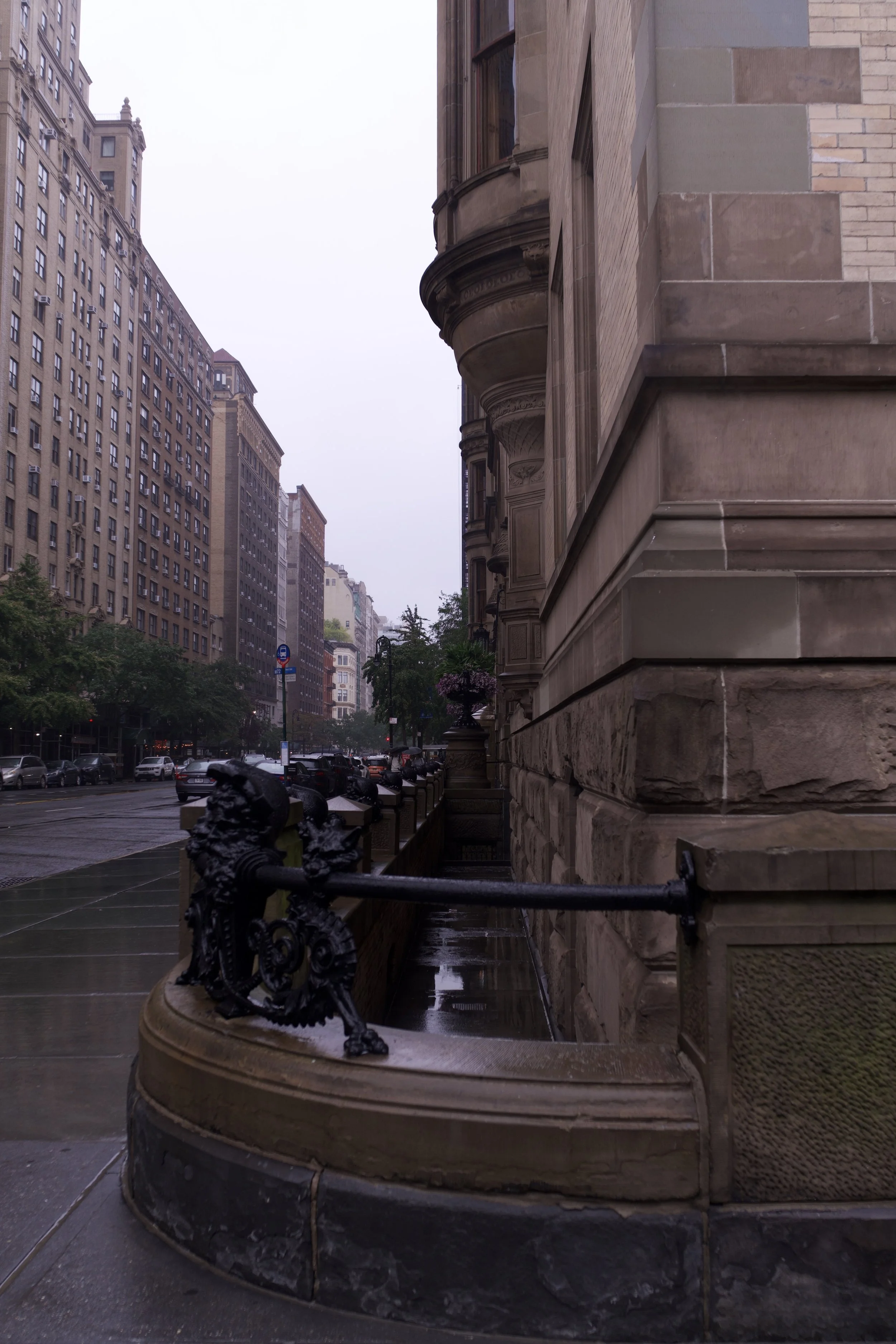
In 1880, when the Dakota started breaking ground, the corner of 72nd Street and Eighth Avenue (not yet Central Park West), that is now touristy, was a dirt road with squatters nearby. The saying goes that the location was so remote that it might as well have been in the Dakotas.
In New York City today, apartment living is the norm for most of us. At that time if you lived with people above you, it meant that you lived in a tenement, therefore you were poor. It seemed like the Dakota would never attract wealthy New Yorkers. Clark bet on a changing New York landscape. At the end of the century, the population in New York City was growing at a rapid pace with ambitious immigrants looking to get rich.
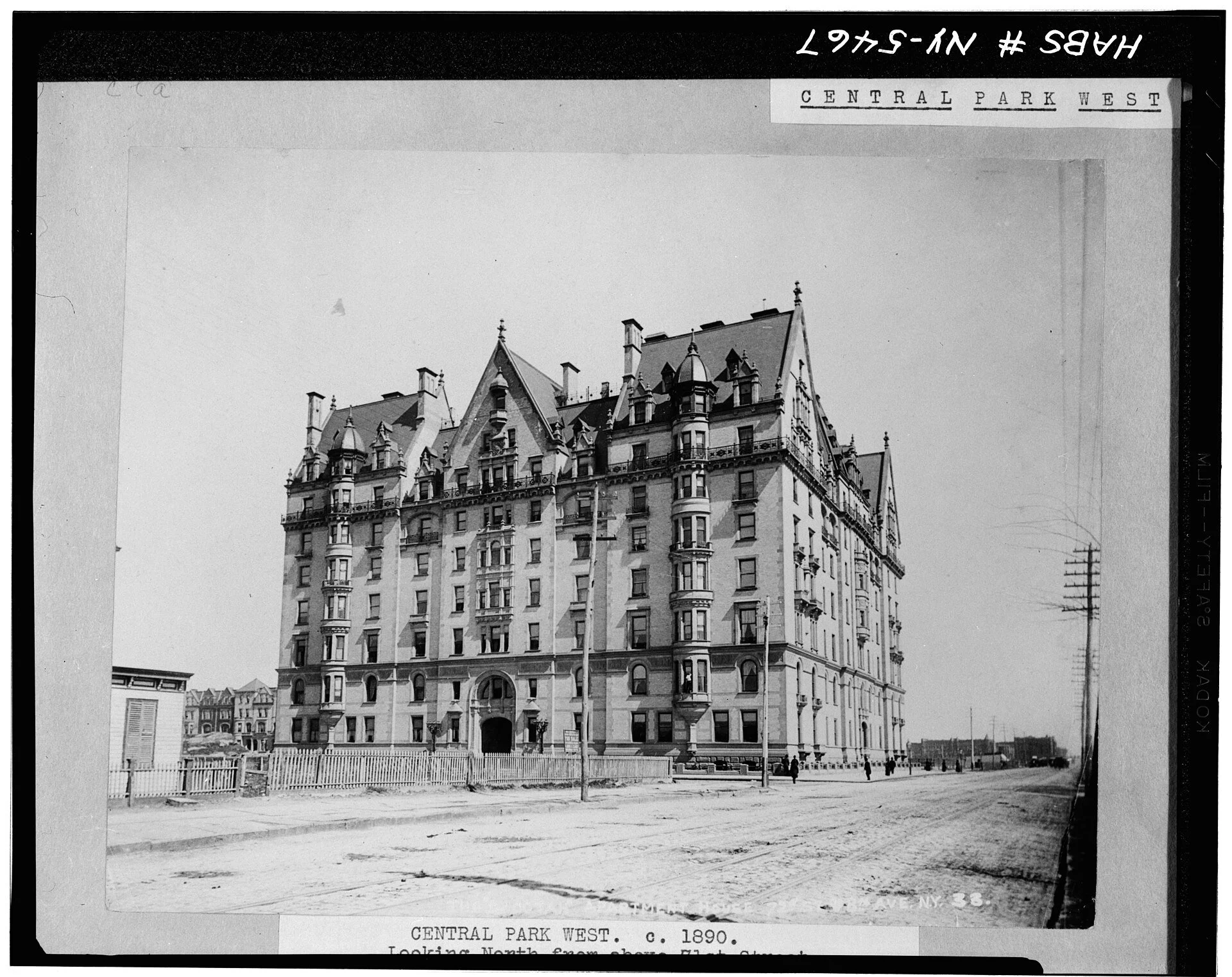
Library of Congress, Prints & Photographs Division, NY-5467, Wikimedia Commons
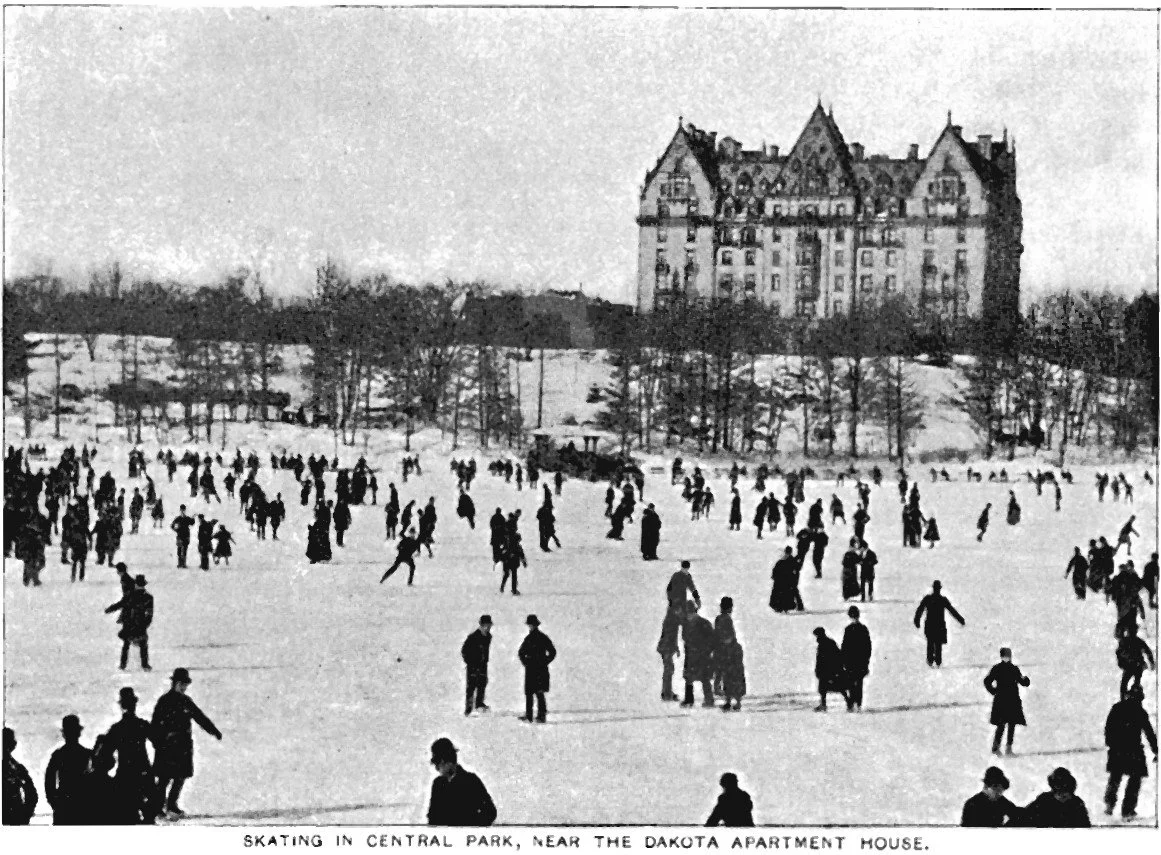
Photographer unknown. Collections of the New York Historical Society, via Wikimedia Commons.
The Dakota would then appeal the new middle class, the nouveaux riches, those who could not afford to maintain private mansions, who were not invited to the Astors’ but had money to spend. They could live like wealthy New Yorkers on Fifth Avenue for a portion of the price. “Like a sewing machine, the Dakota would offer leisure for rest and refinement and comforts” that could only be reached by a few. Clark didn’t see his prediction come true, he died before the completion of the building.
You know the Singer sewing machine, a monument for fashion designers, for your mother or grandmother, for hobbyists all over the world. For many of us growing up, it was the machine sitting in the corner of the room. Mine was my mom's sin-ZHAIR, famously known for mending ill-fitting pants, iconic for paving the way for my lifelong passion.
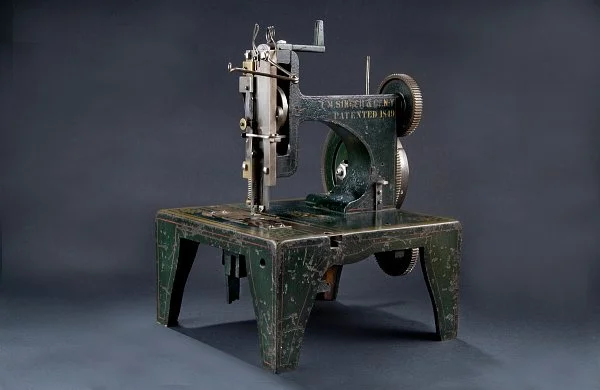
Sewing Machine Patent Model; Isaac Singer, 1855, National Museum of American History
Words and photography by Eva Nean unless indicated otherwise