

A Connection Through Architecture and Zen: The MoMA in New York City and D.T. Suzuki Museum in Kanazawa
Discovering the work of Japanese architect Yoshio Taniguchi in the tranquility of Kanazawa and bustle of Manhattan
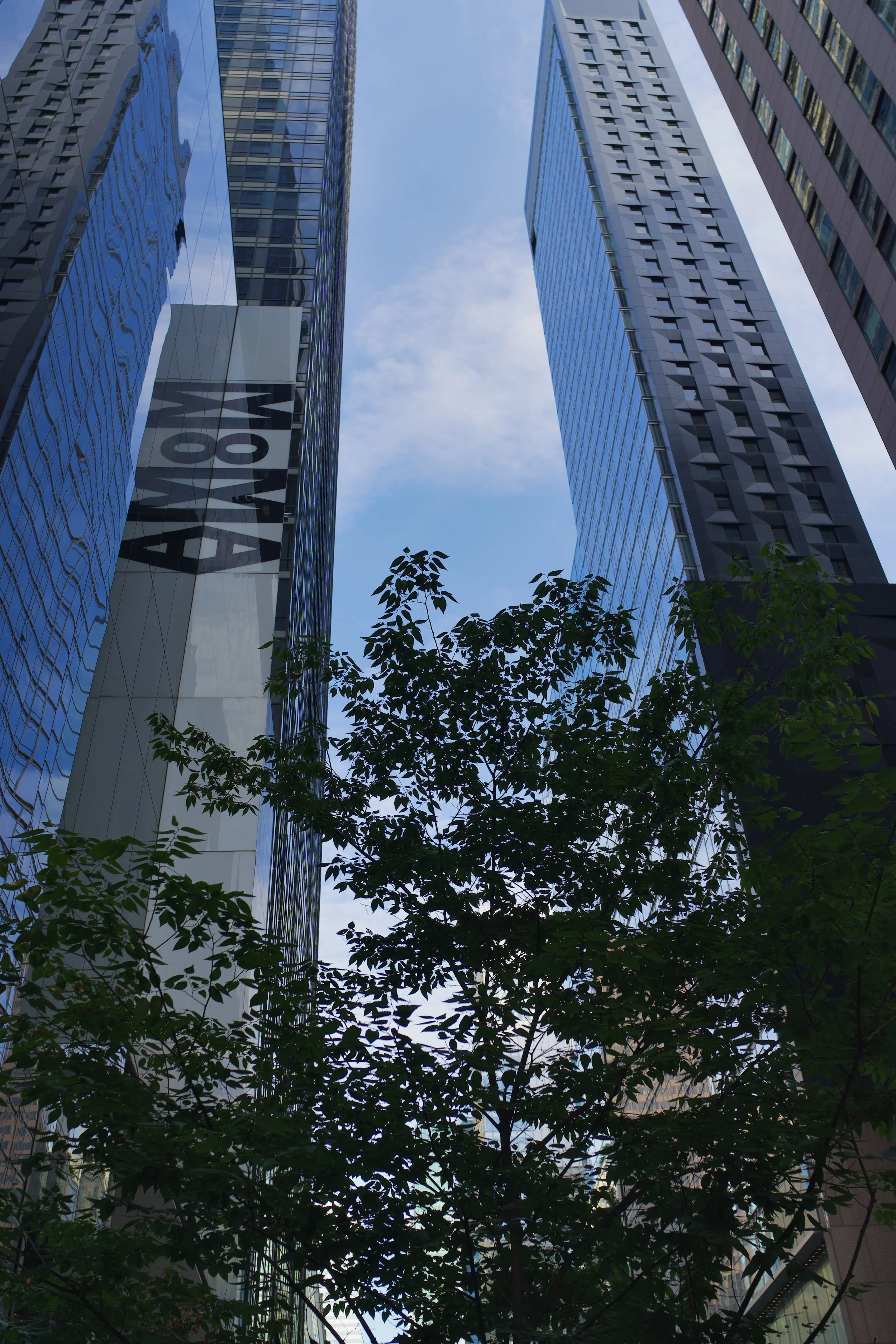
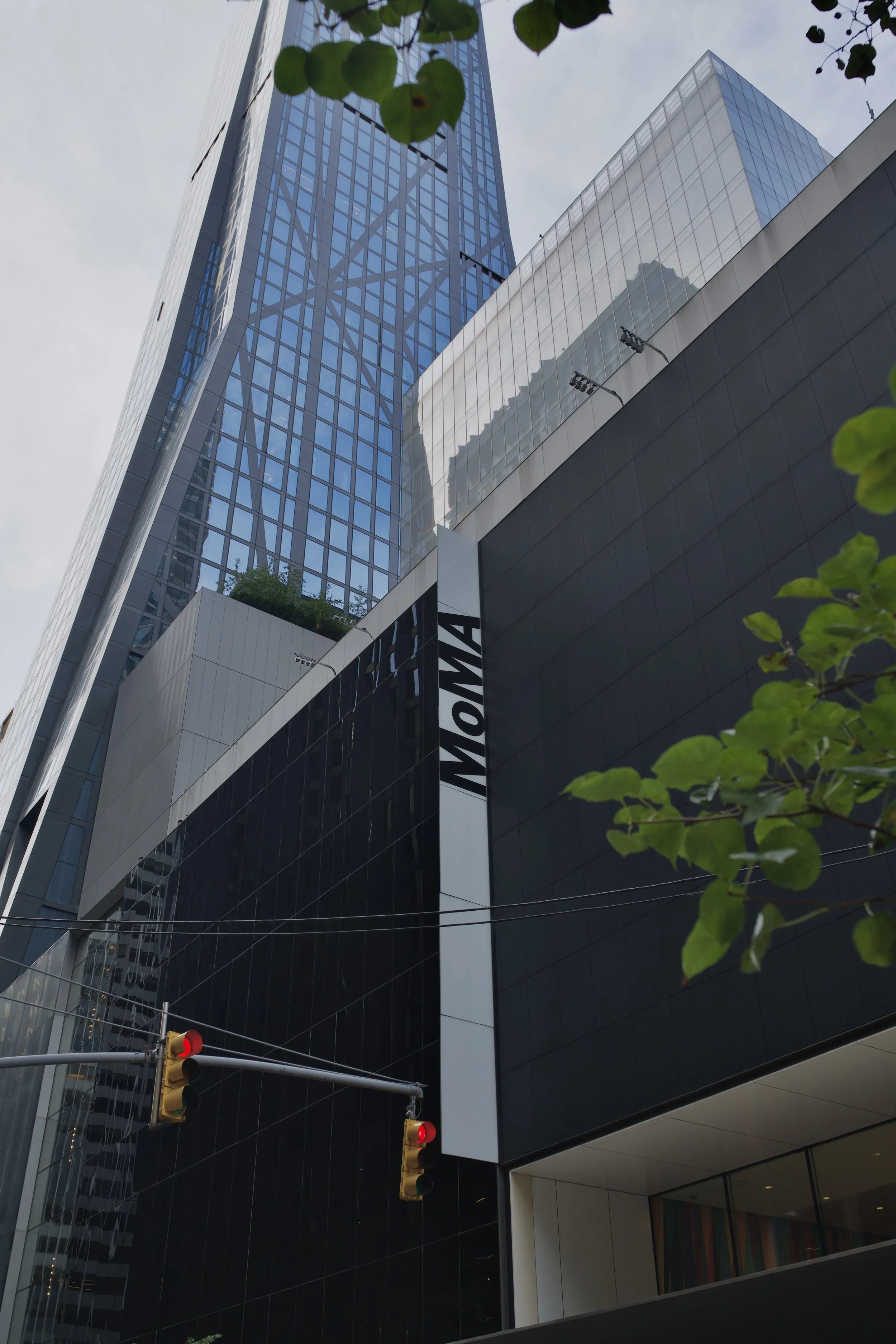
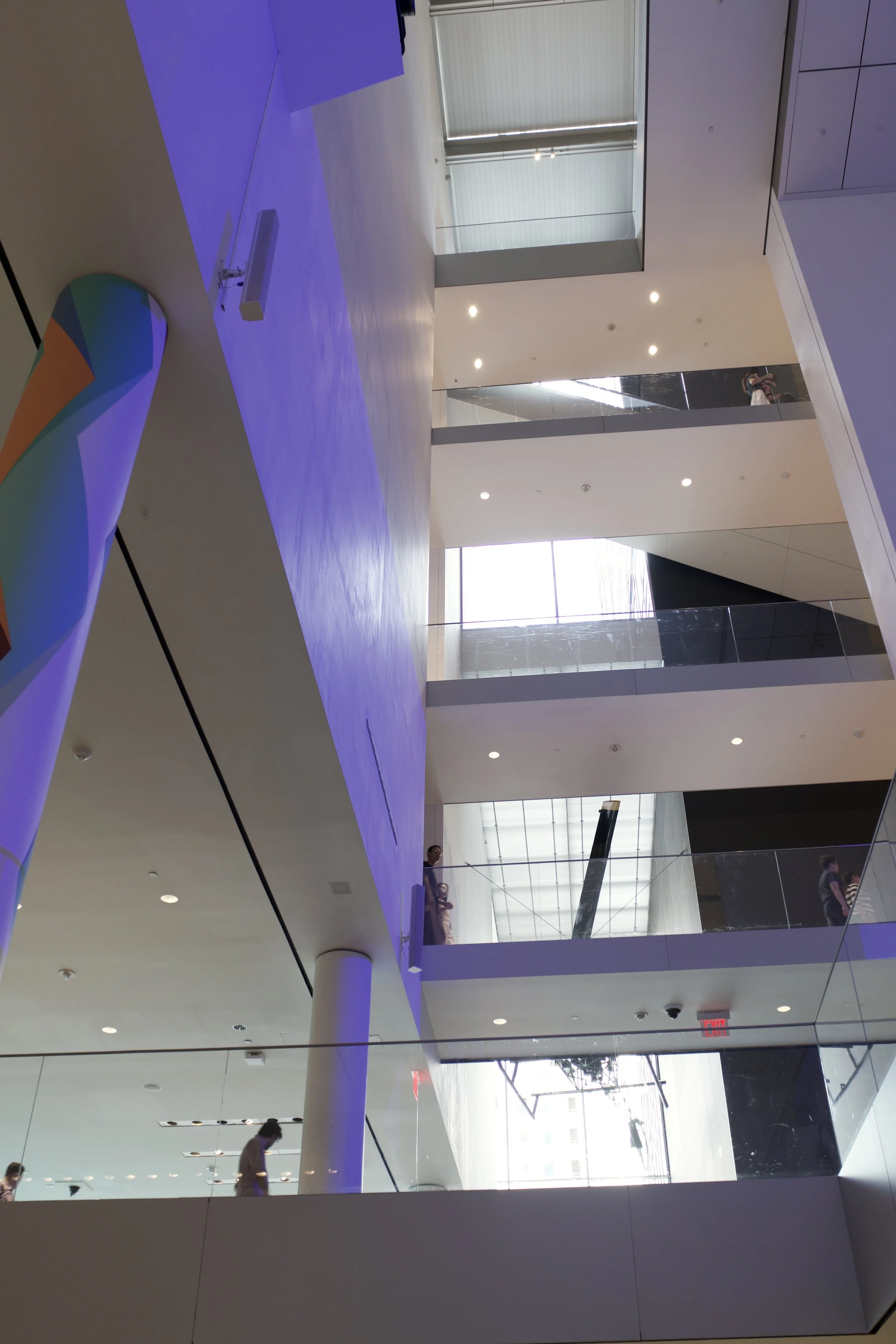
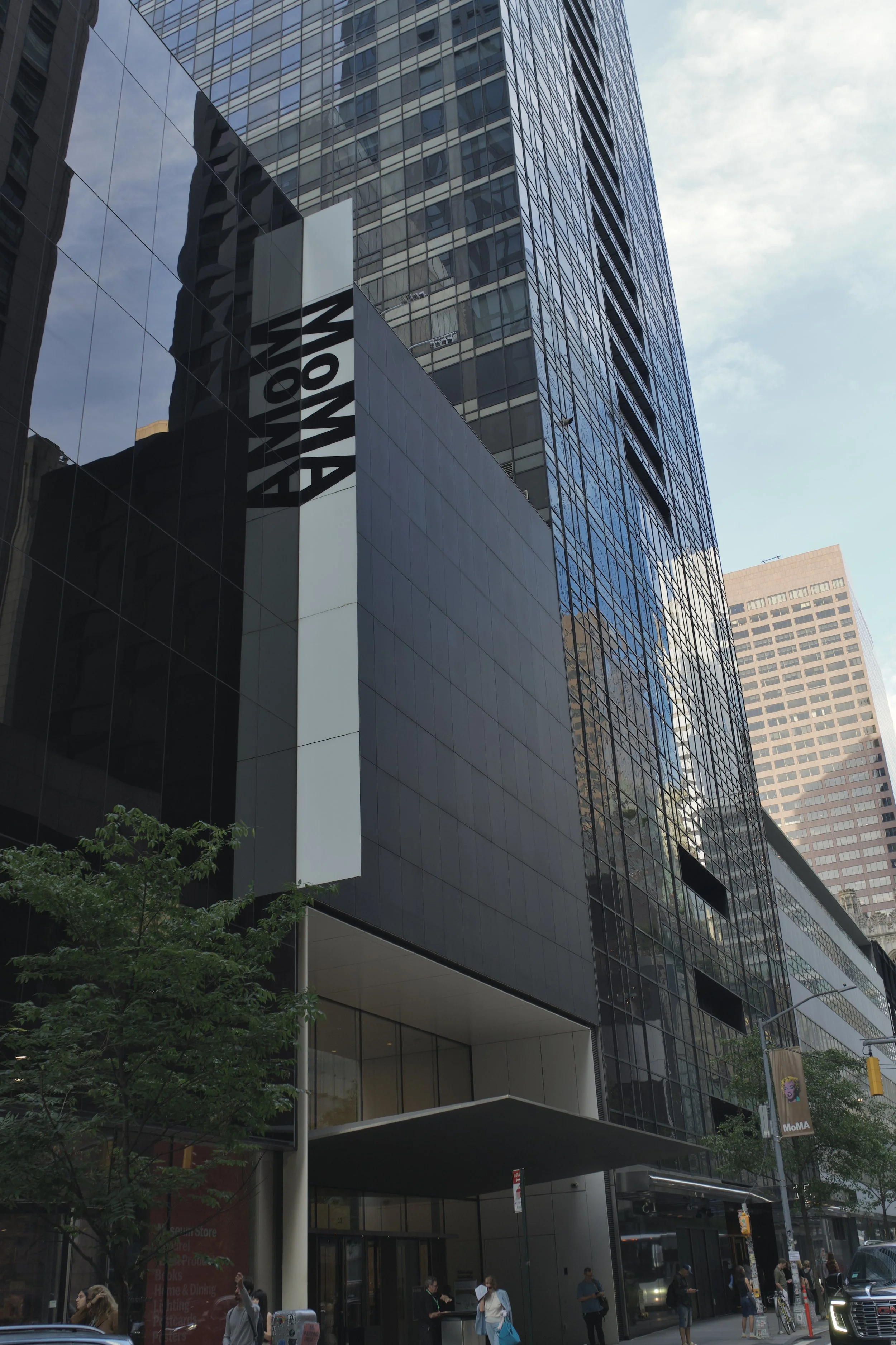
If you have ever been to New York City, you are familiar with the work of Japanese architect, Yoshio Taniguchi. In 2004, he completed the Museum of Modern Art (MoMA) renovation in Manhattan. He designed a new facade on 53rd Street, an extended lobby, a 110-foot-high atrium with columns. From the atrium, visible through glass doors, you can see his restored Sculpture Garden with reflecting pools connecting the new galleries to the education research center on the other side of the garden. Yoshio Taniguchi expanded the structure of the museum and connected the different parts of the MoMA that we know today.
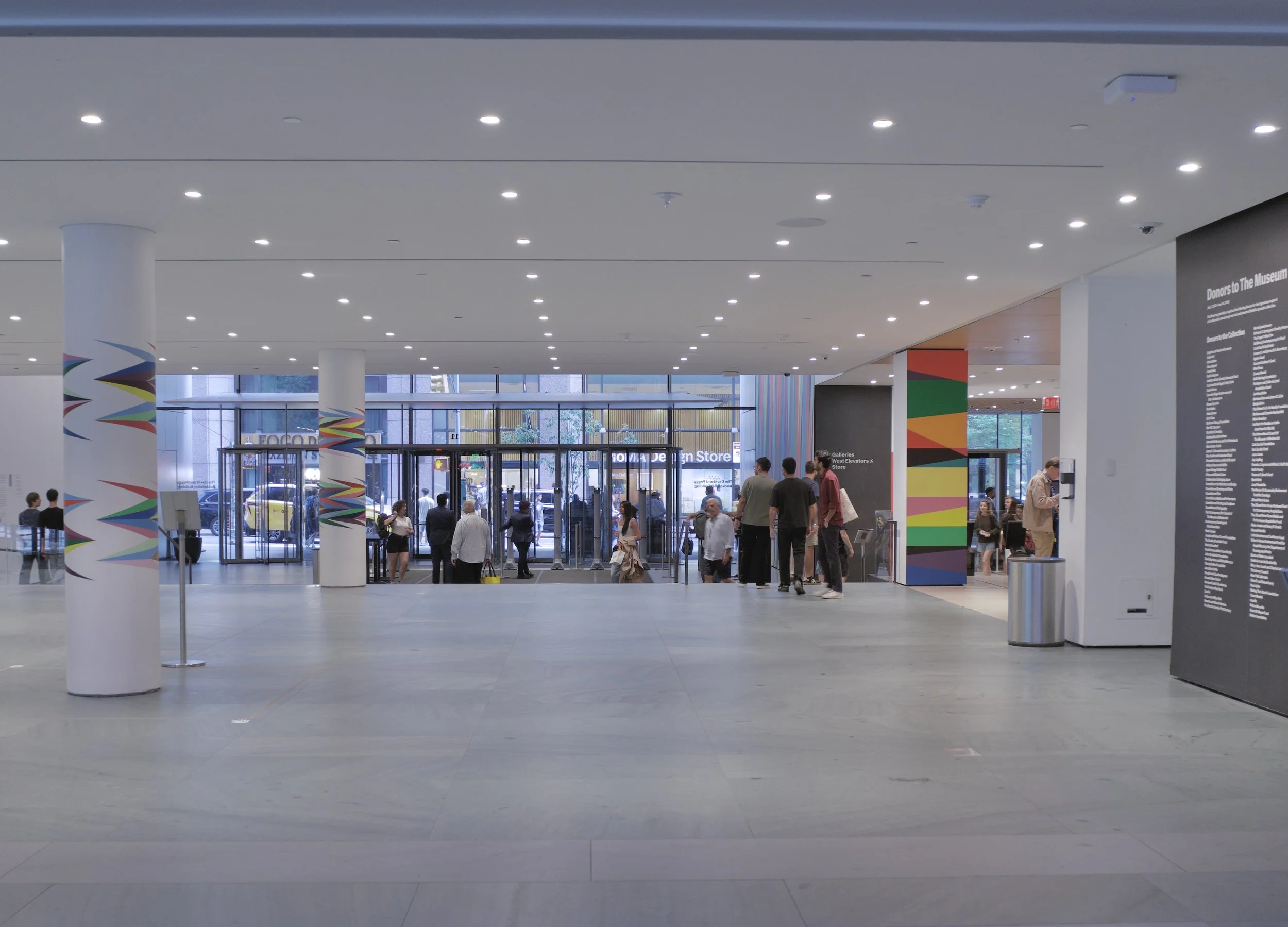
The extended lobby, seen from the 54th Street entrance.
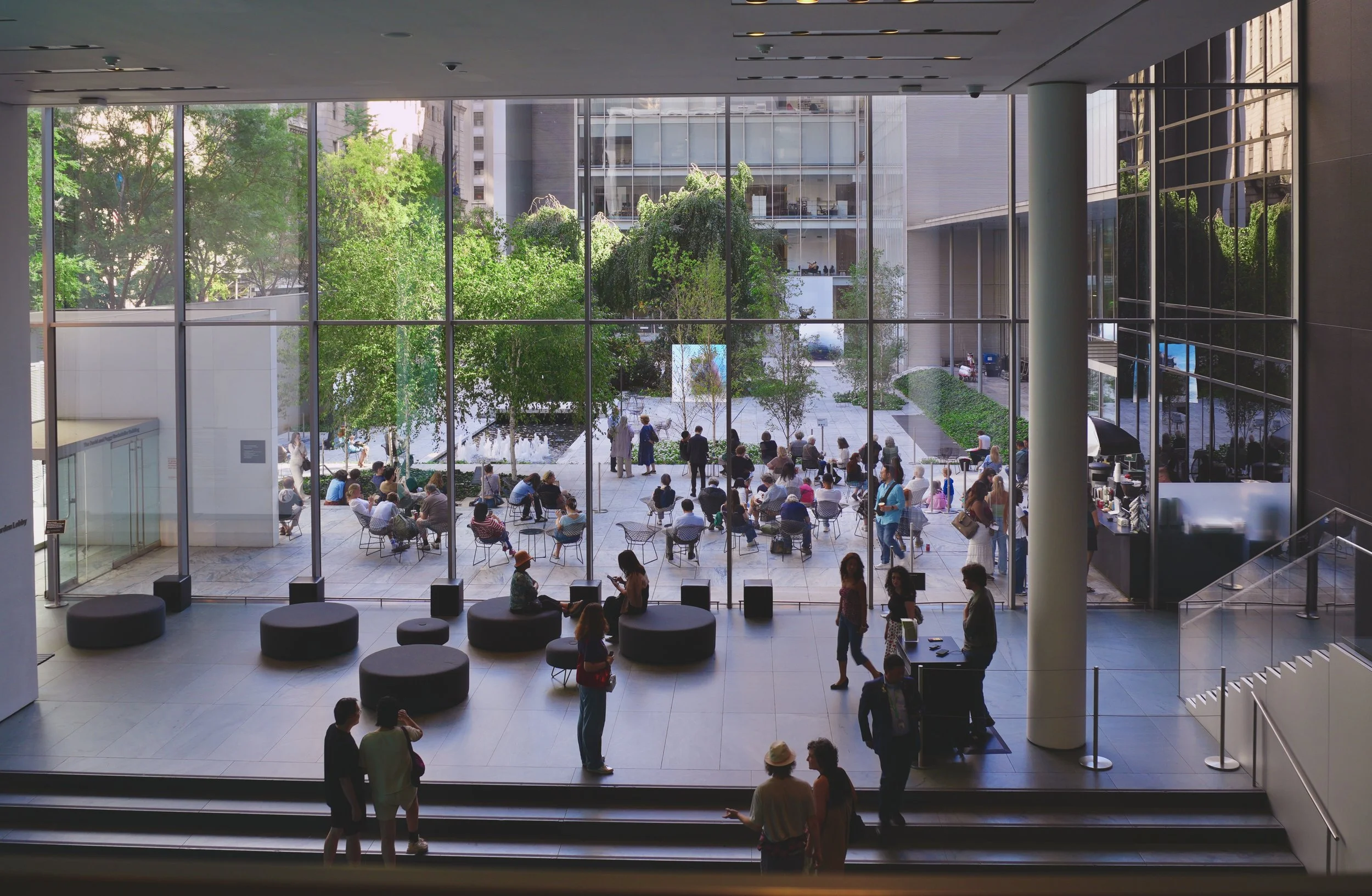
The 110-foot atrium. From here the Sculpture Garden is visible through the glass.
Glenn Lowry, then director of the MoMA, said of his early discussions with Yoshio Taniguchi.
“When we talked to Yoshio about the building, we talked to him about trying to link up in a seamless way these different parts of the museum—the new part, the old part, the parts built in the sixties and the eighties—and to recognize that each part had its own purpose and its own identity within the museum.”
If you stand at any point in the MoMA, the view is unblocked and you can see through to another part of the museum. From the stairs up to the galleries you can connect with the bustle of Manhattan on 53rd Street. From the third floor gallery you can peek at the tranquility of the Sculpture Garden where visitors pause and reflect. From the top gallery's bridge looking down, you see the expansive atrium at the center of the museum.
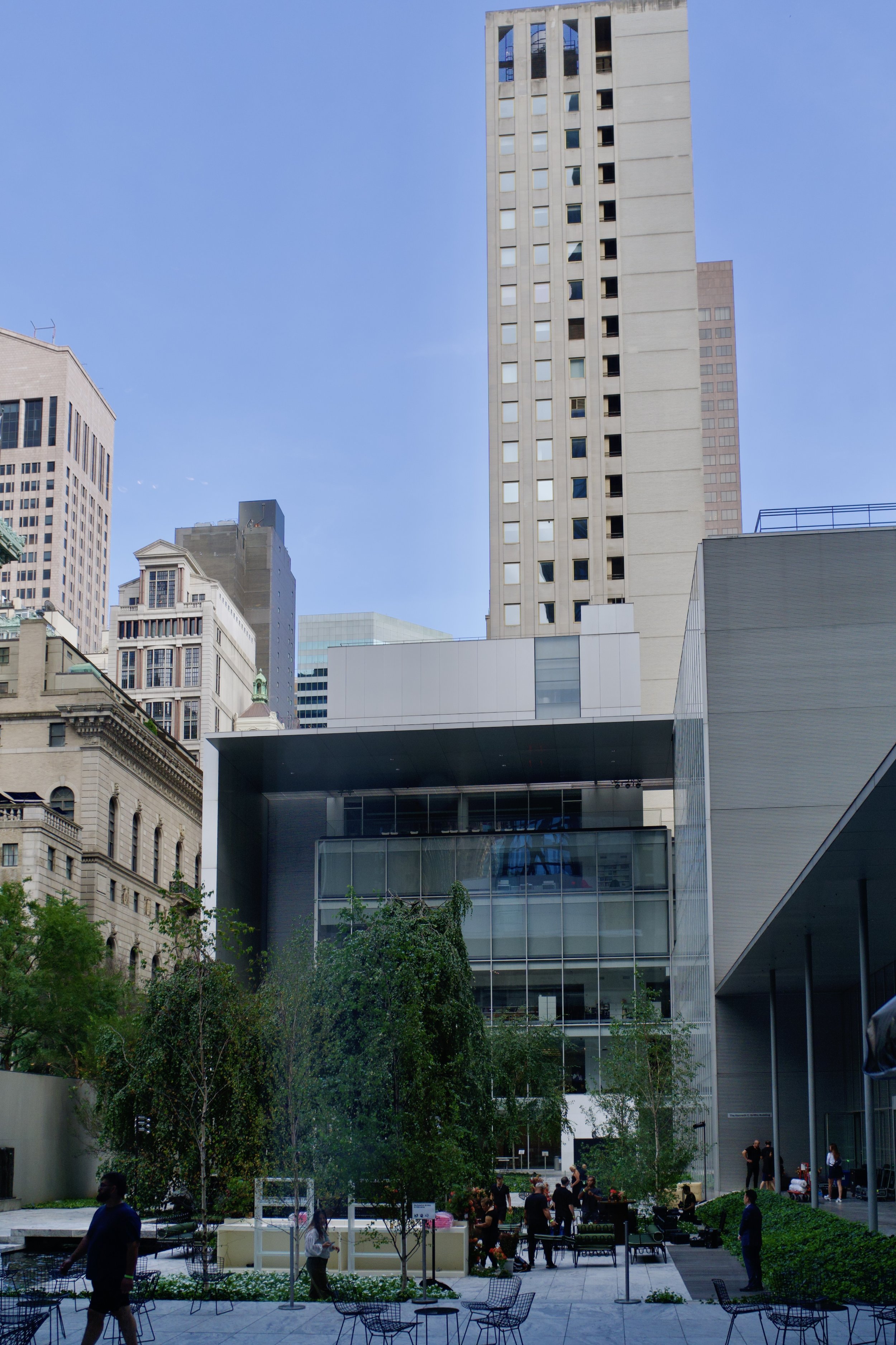
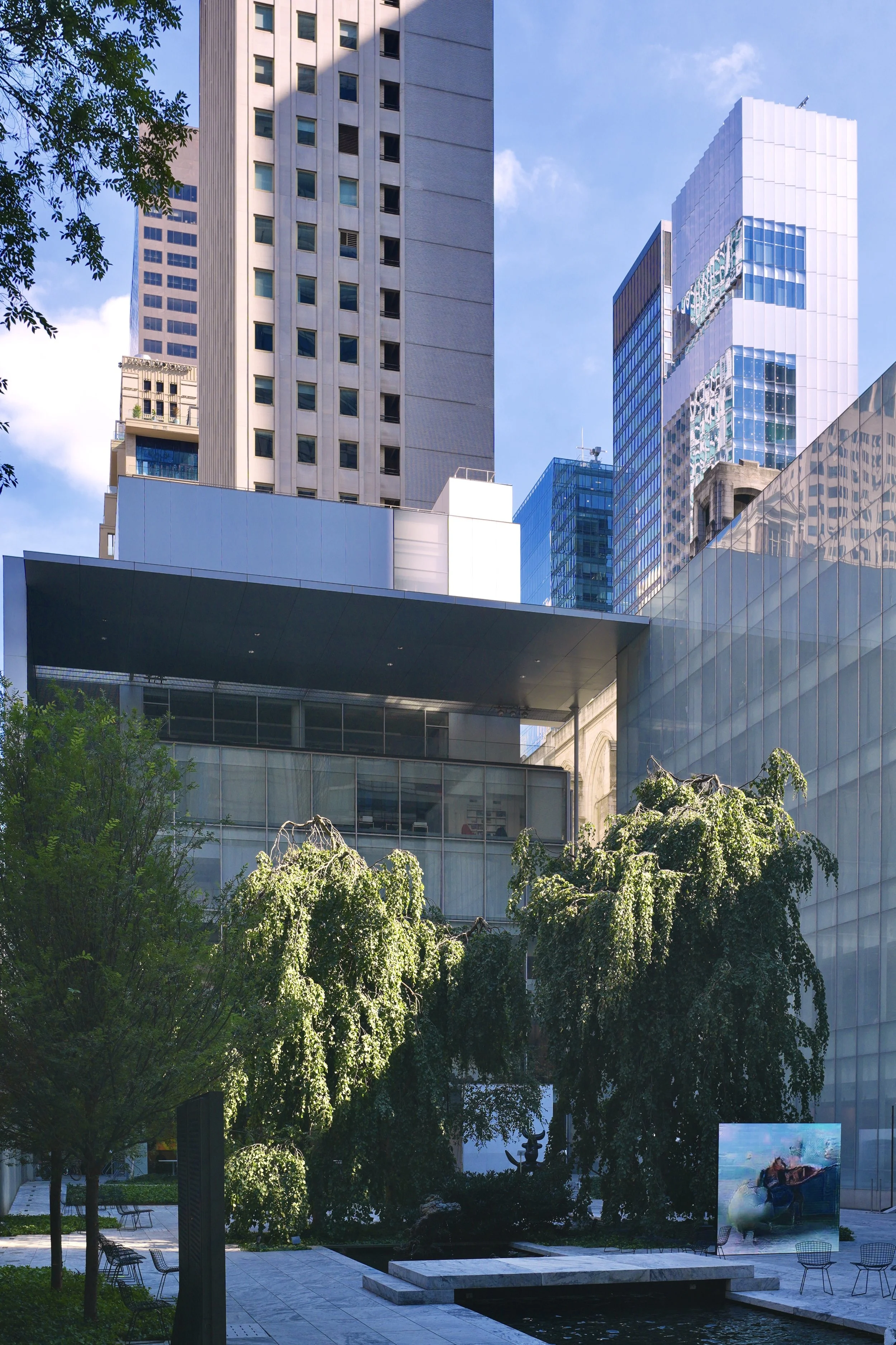
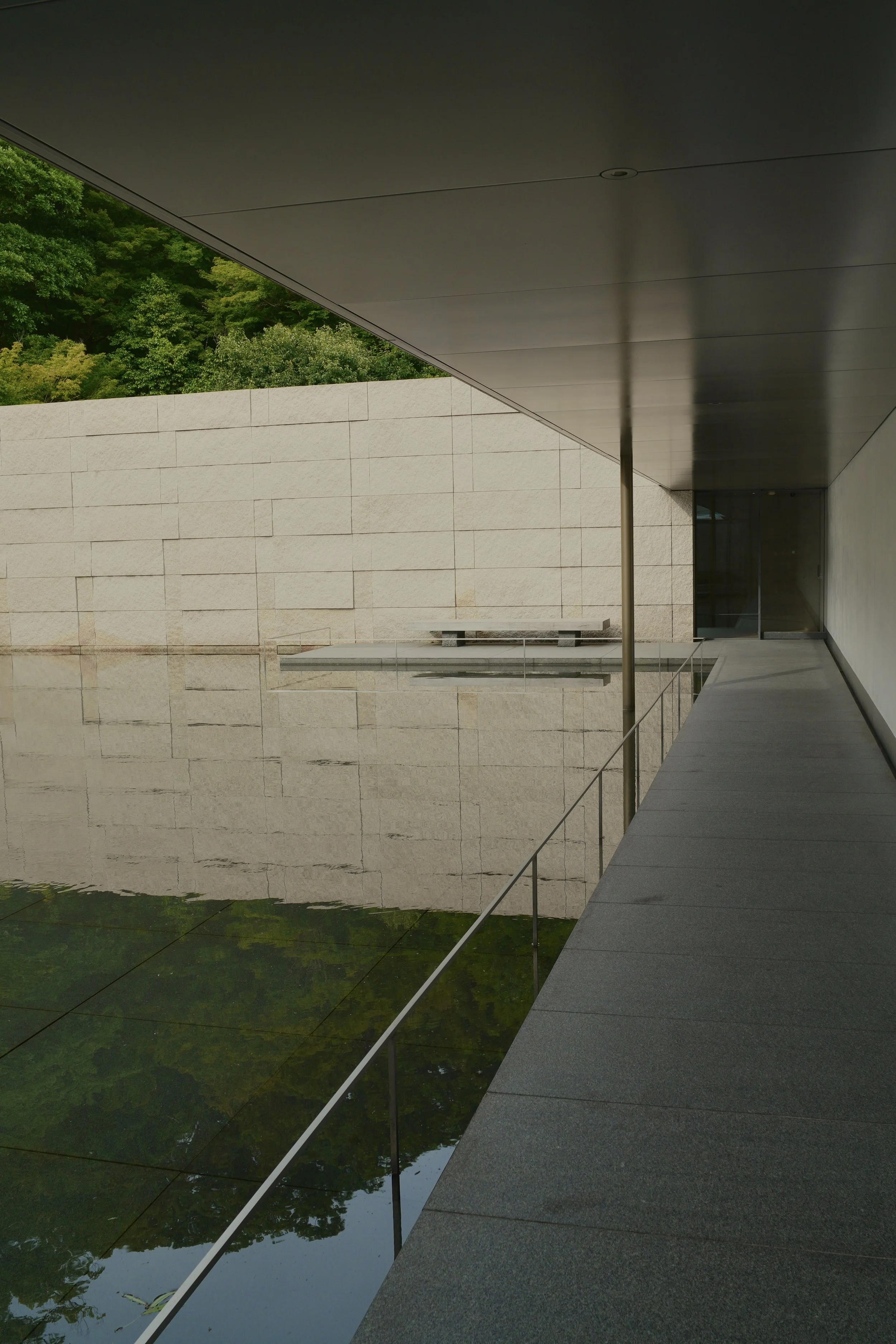
11,000 km away in Kanazawa, Japan, Yoshio Taniguchi designed and completed in 2011 the D.T. Suzuki Museum. This museum was conceived as a place to discover the work of Japanese philosopher Daisetz Teitaro Suzuki, while offering a place for self-reflection and meditation in tranquility. D.T. Suzuki, who lived in New York for a few years while teaching and lecturing at institutions like Columbia, contributed to the dissemination and understanding of Zen culture and Buddhism in the West. He wrote more than 30 books in English about Buddhism and Zen culture.
The museum’s proportions are modest but the ability to mentally escape is infinite. The design of Yoshio Taniguchi articulates the mission of the museum and the philosophy of D.T. Suzuki.
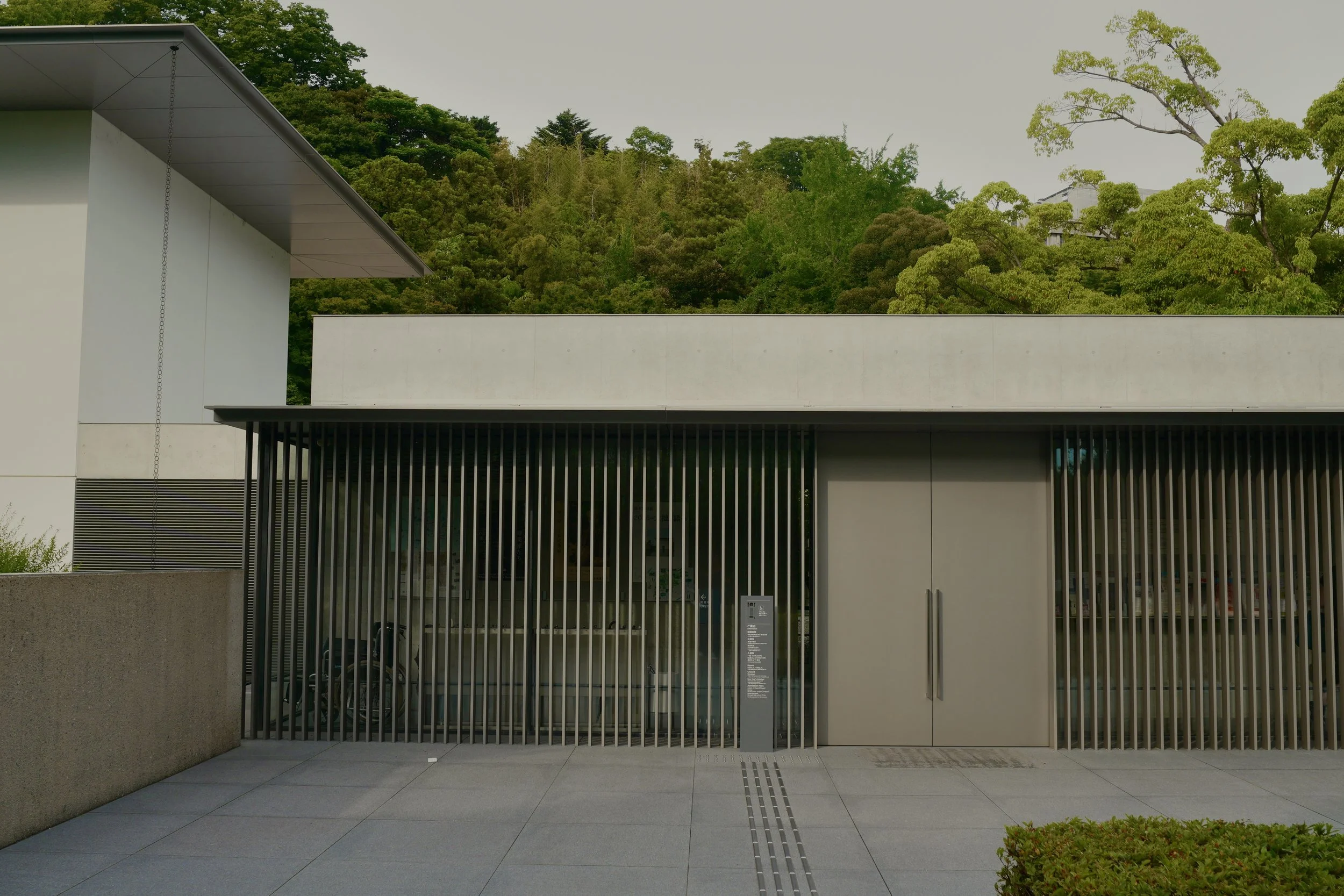
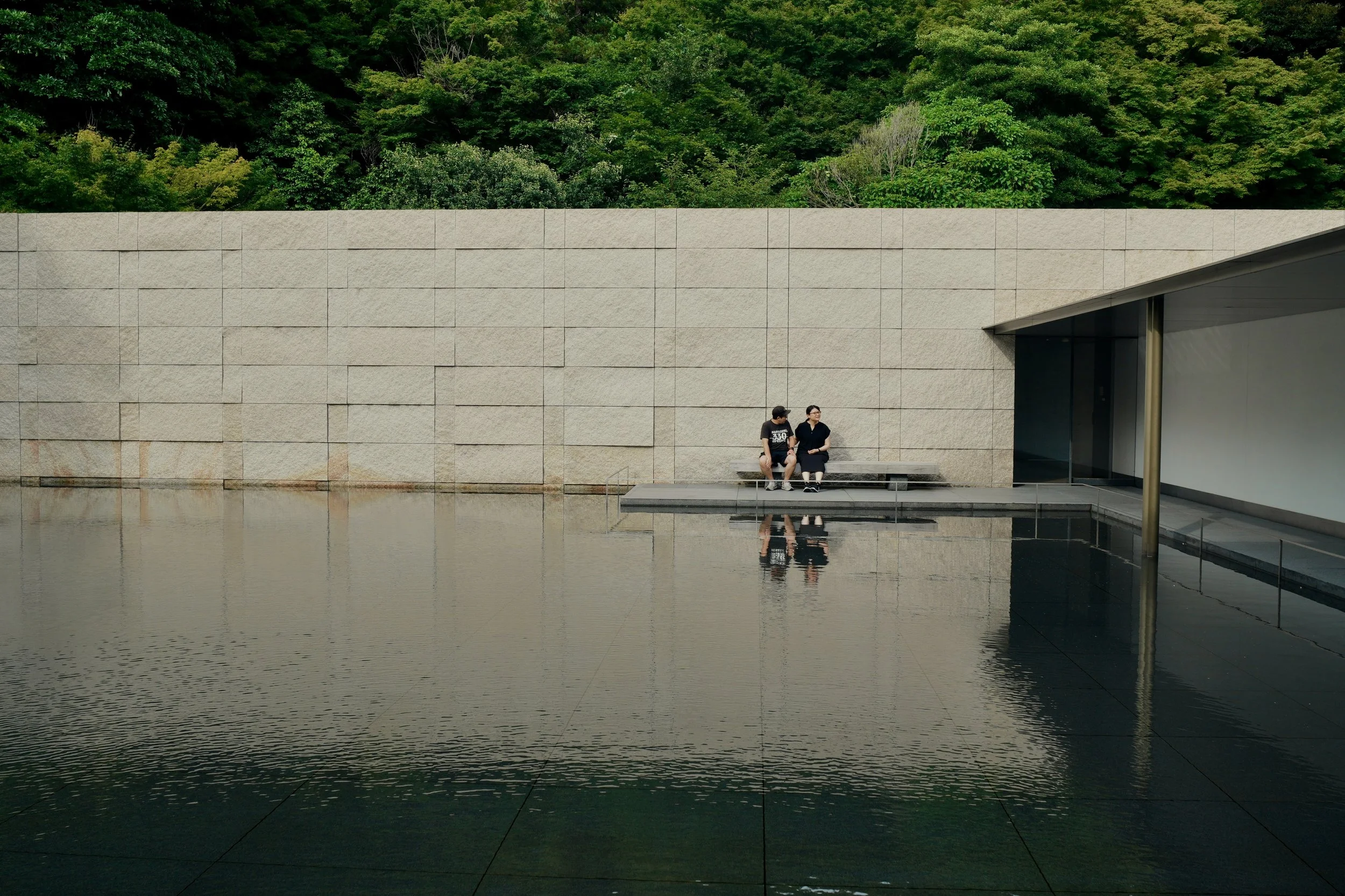
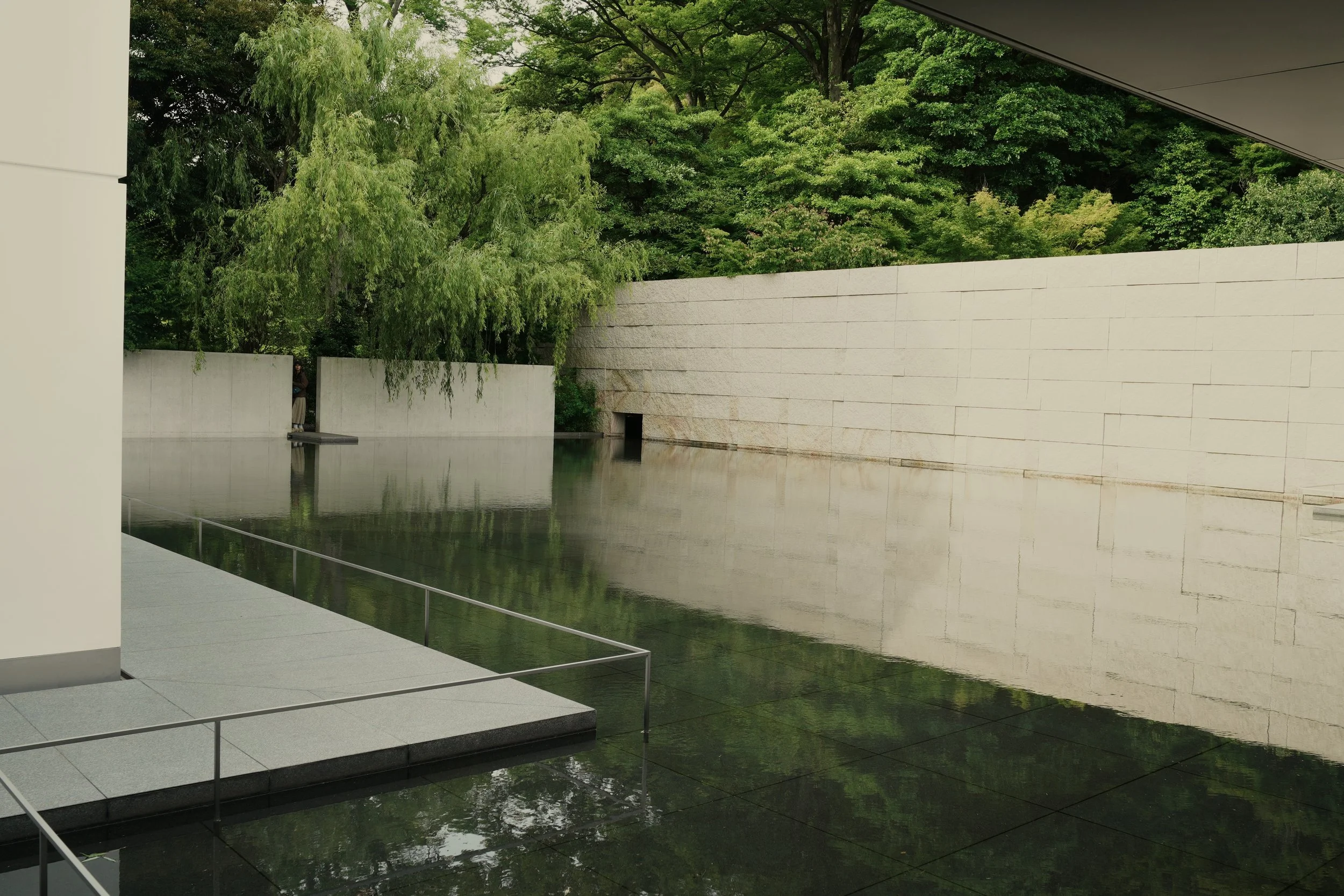
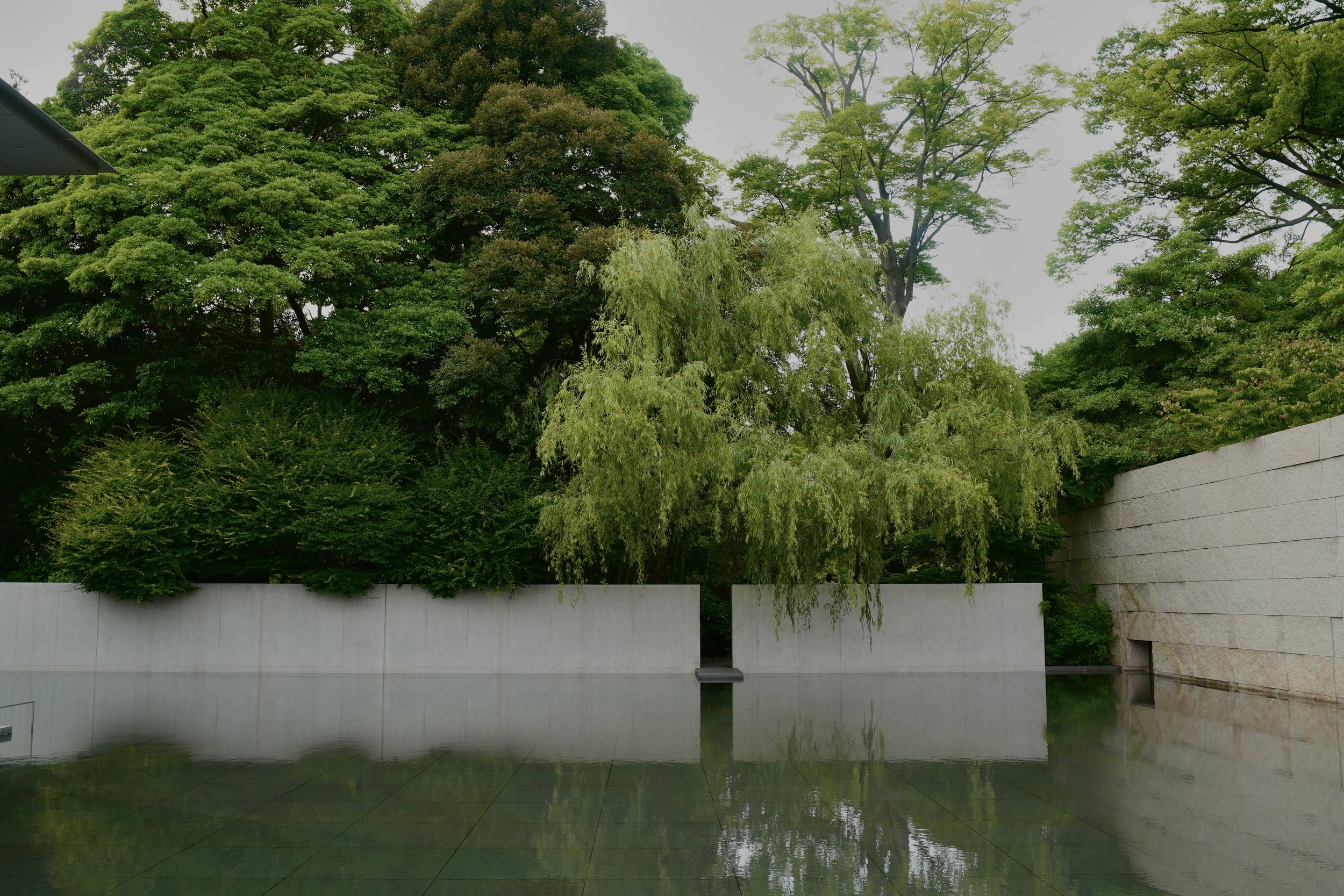
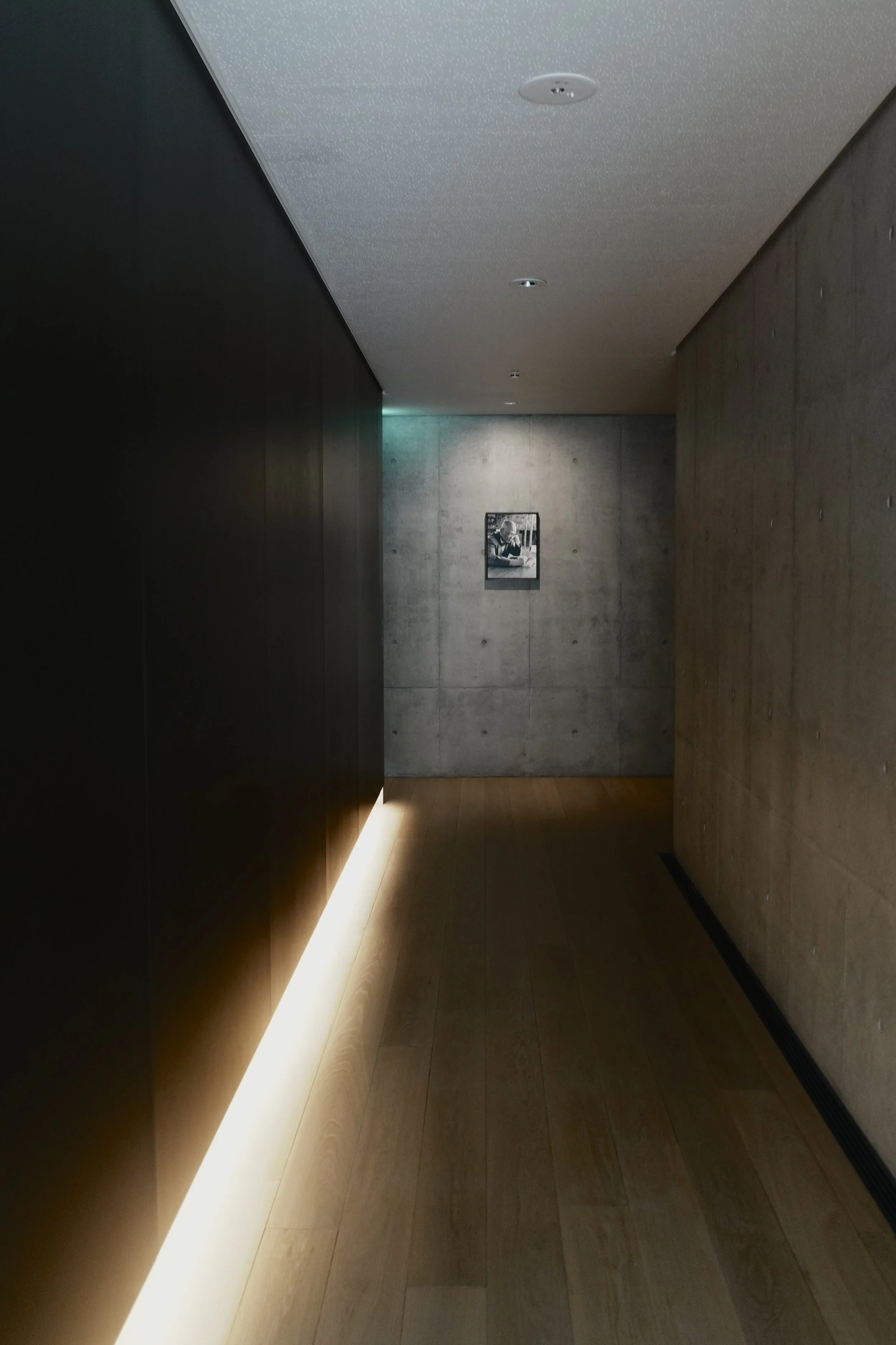
The four principal sections of this museum, the entrance, the exhibition space, the learning room and the contemplative space outside are connected by a corridor.
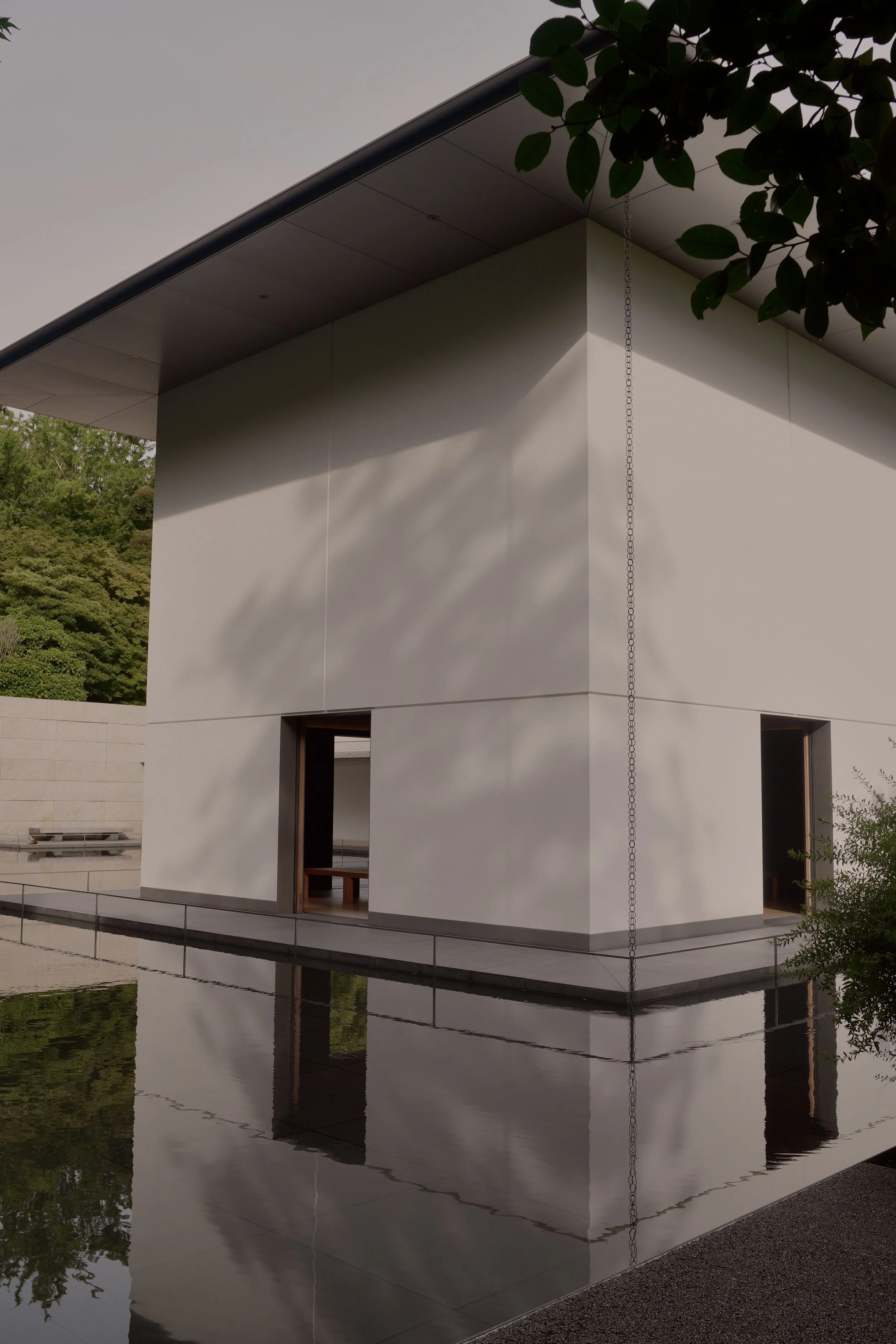
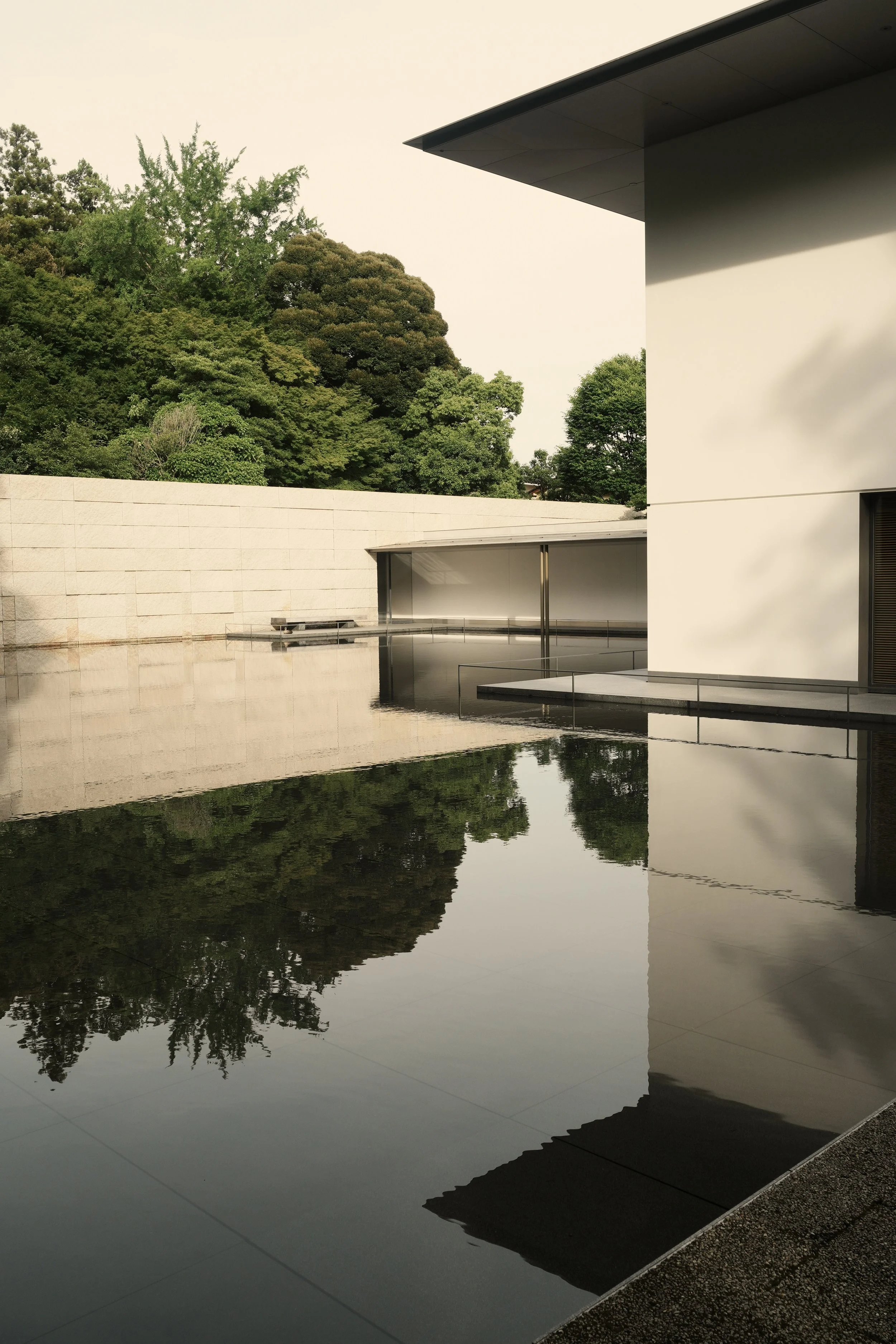
The museum can be accessed through different green spaces: the water mirror garden where the clean lines of the building reflect in the pool, by the entrance next to the camphor tree and outside from the open meditation space. Unlike the urban setting of the MoMA the D.T. Suzuki Museum benefits from a quiet, green setting, that blends the structure of the building with the nature outside.
There is connectivity between the nature and the different sections of the museum, a flow that is reminiscent of the MoMA renovation, Taniguchi’s first project outside of Japan.
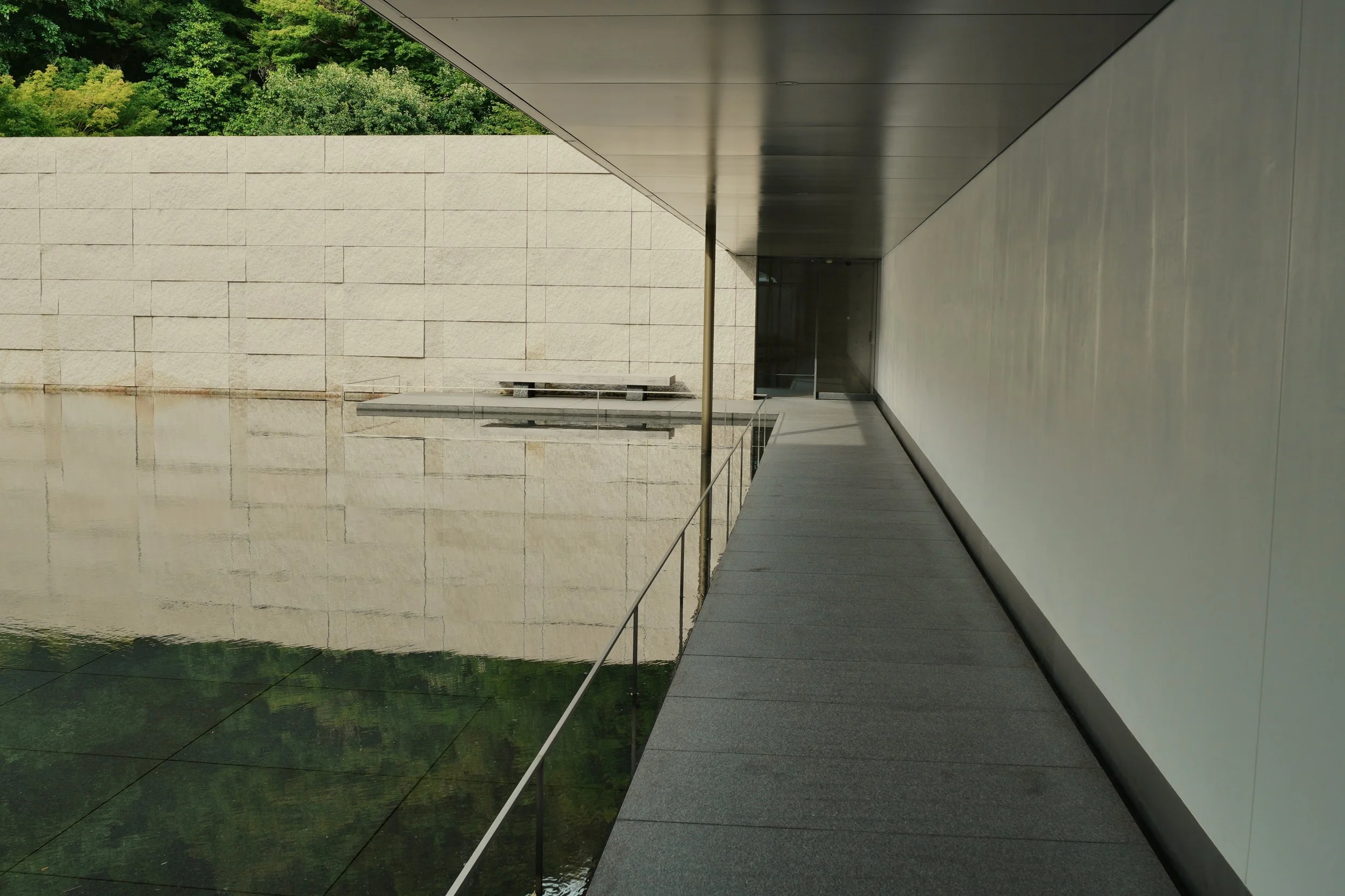
Yoshio Taniguchi’s seamless blend of interior and exterior space at the D.T. Suzuki Museum
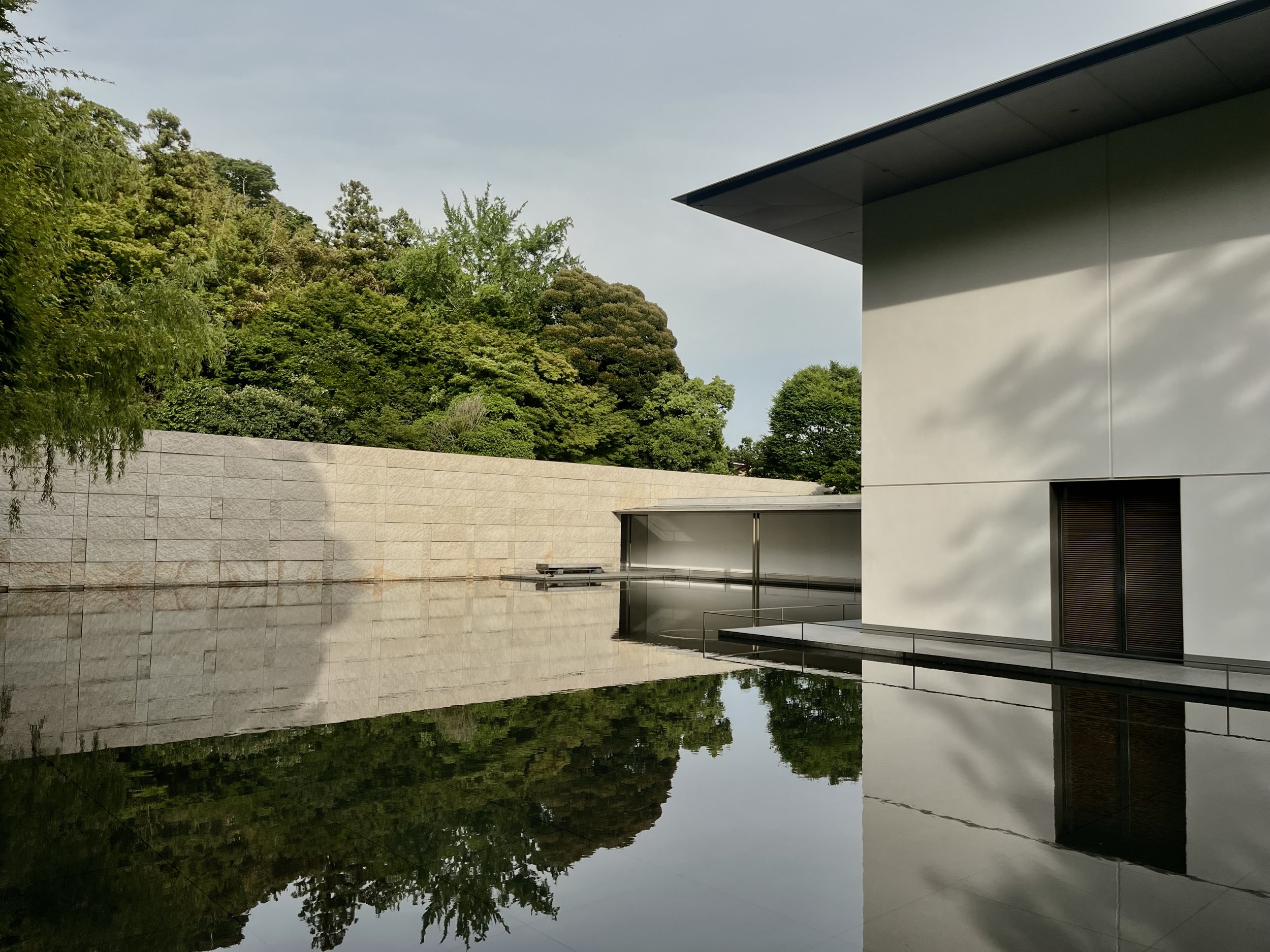
Minimalist architecture at the D.T. Suzuki Museum in Kanazawa by architect Yoshio Taniguchi
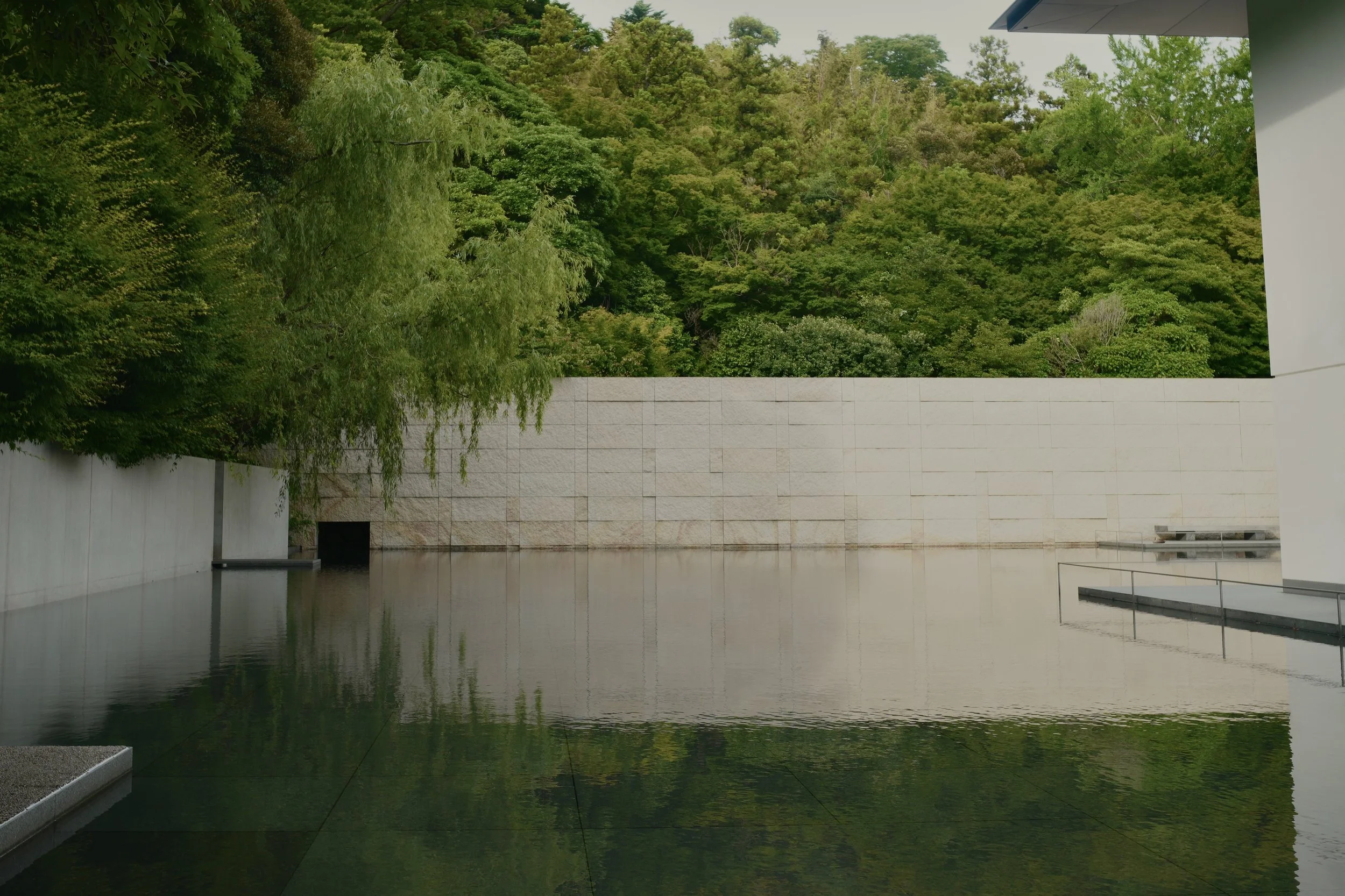
The tranquil water mirror garden at the D.T. Suzuki Museum, designed for Zen contemplation
“Architecture could be a catalyst, a partner in transforming the institution. It can help transform our ideas into something tangible.”
One of ten architects on a shortlist to compete for the project, Yoshio Taniguchi was already renowned in Japan when he was selected but unknown internationally despite having studied at Harvard. In the chaos of midtown Manhattan and through the peaceful gardens of the D.T. Suzuki Museum in Kanazawa, Yoshio Taniguchi integrated his Japanese architectural ethos and helped the two museums articulate their identity.
After experiencing the tranquility of the D.T. Suzuki Museum in Kanazawa and rediscovering the MoMA through Taniguchi’s architecture, on my next visit to the MoMA, I’ll linger a bit longer to appreciate the work of Taniguchi and I won’t skip the Sculpture Garden and its reflecting pools ever again.
Words and photography by Eva Nean. Photographed in Kanazawa, July 2026, and at the Museum of Modern Art, New York, September 2026.