
Inside Kawai Kanjiro’s House in Kyoto
Finding beauty in everyday objects at the home of one of Japan’s greatest potters
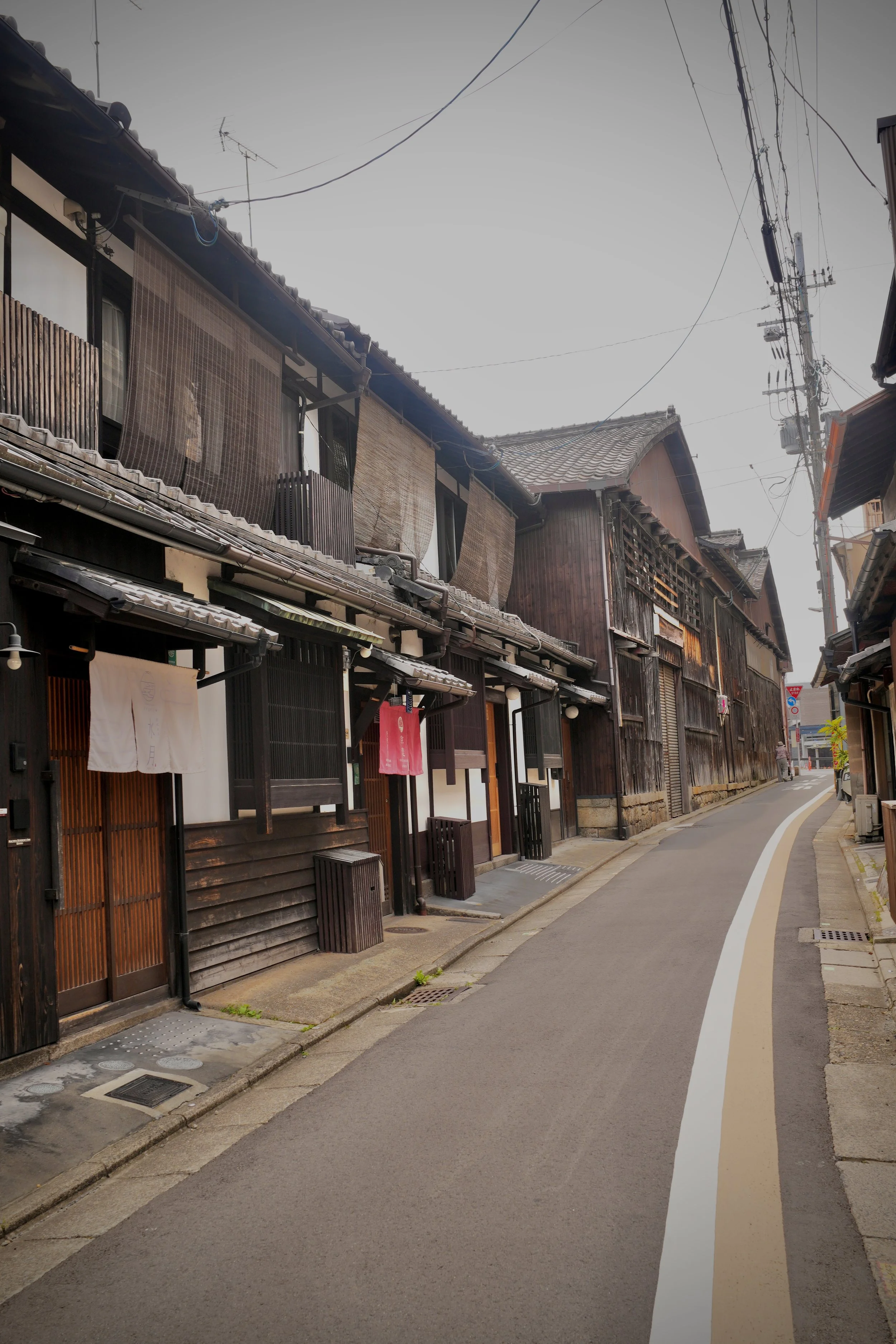
When I was in Tokyo, the owner of Café Cha Dance mapped out her recommendations for my upcoming trip to Kyoto. Kawai Kanjiro's house was at the top of her list. I was completely unfamiliar with his work, which made me more curious. I decided to make it my first stop as I arrived in Kyoto. The house sits along a quiet street lined with other similar houses.
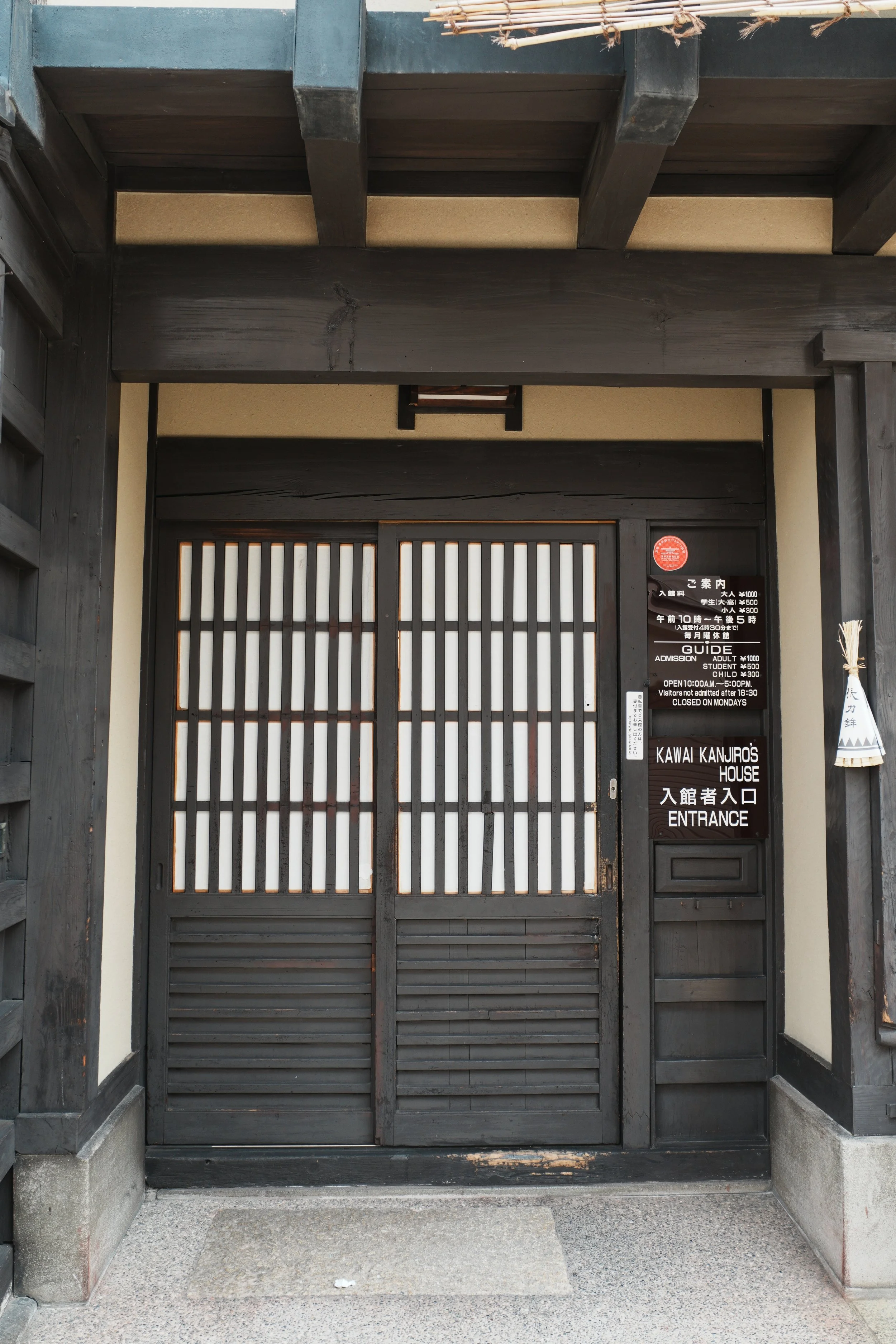
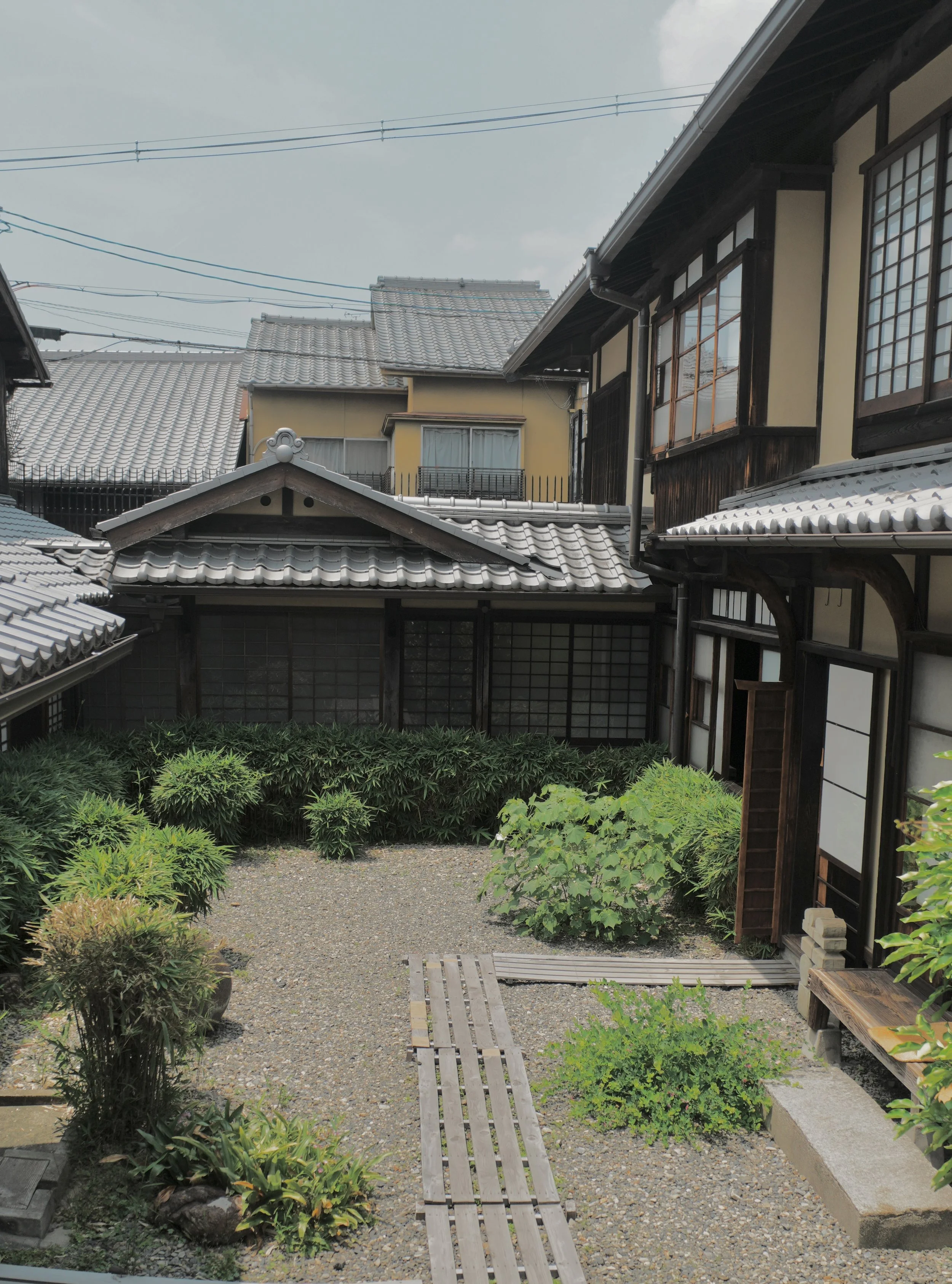
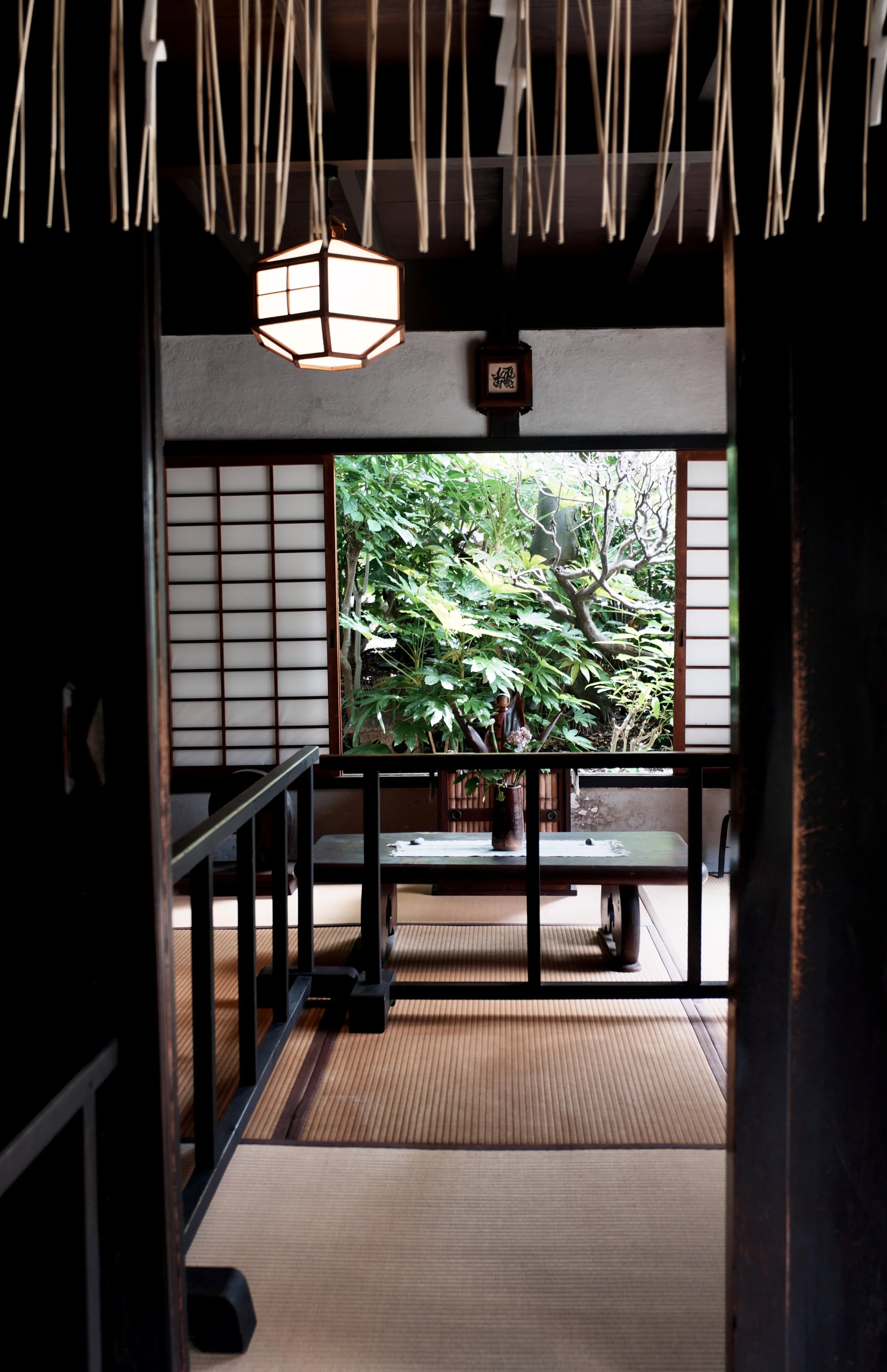
As you enter, there is a stark contrast between the June heat of Kyoto and the open-layout, breathable atmosphere of the atrium. The house could compete in the glossy pages of Architectural Digest for its expansiveness, thoughtfulness, and excellent restraint, but it is far superior in soul and zazen-like feeling. There is an organic flow that cannot be felt in the pages of a magazine.
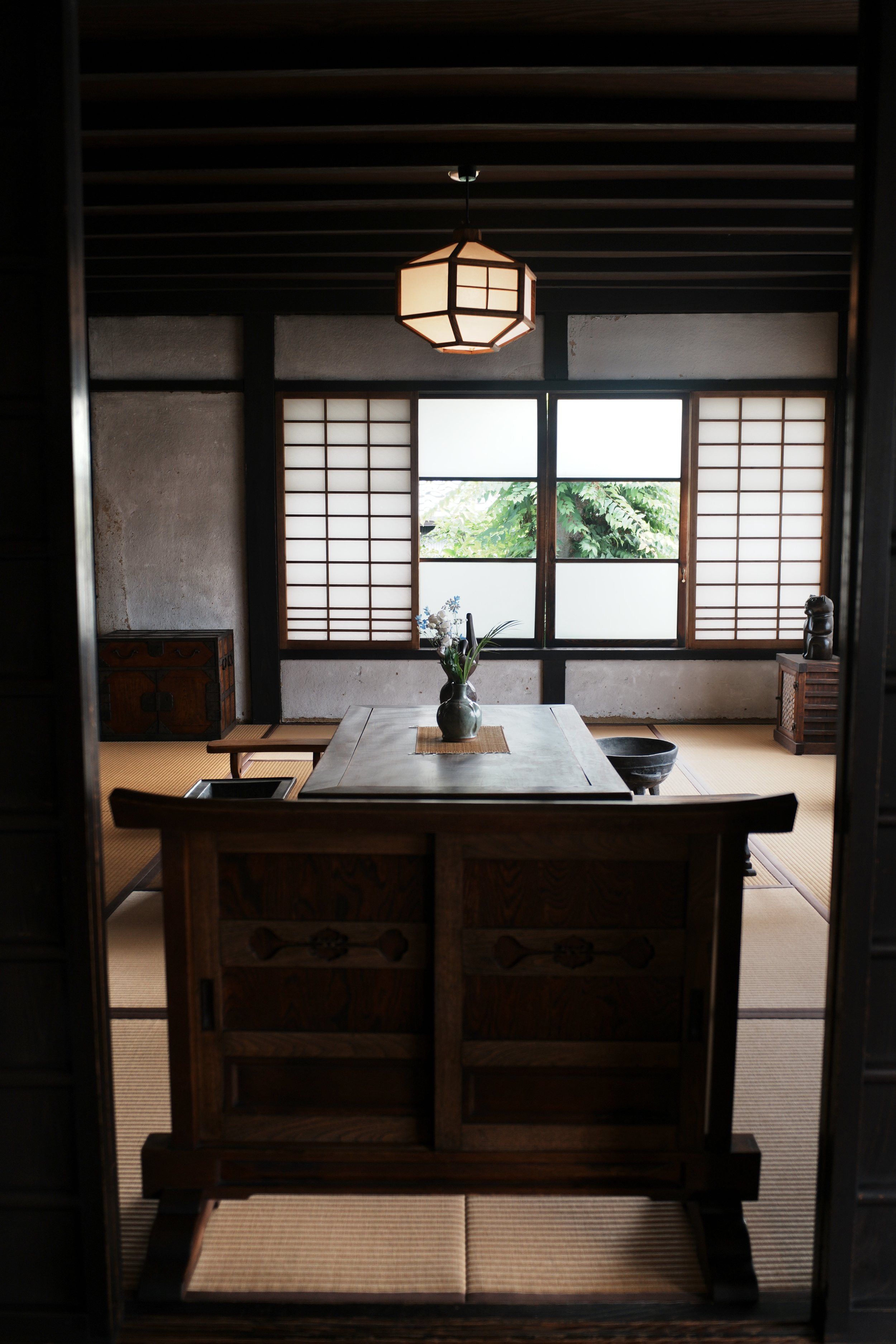
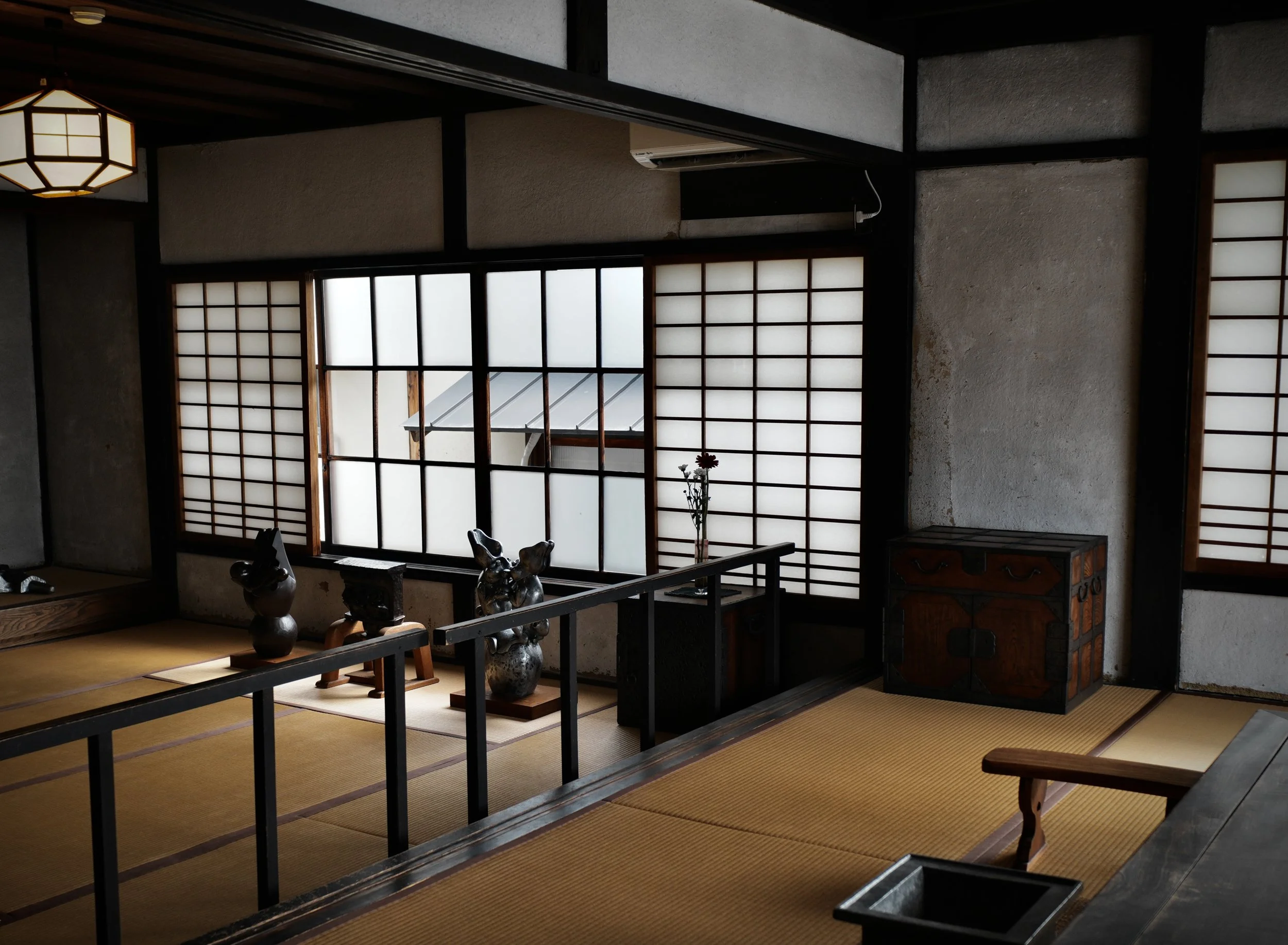
On the second story of the rustic country farmhouse design with minimalist shoji screen views overlooking the inner courtyard garden.
Kawai Kanjiro is one of Japan’s greatest contemporary potters. He founded, with master potter Shoji Hamada and philosopher Soetsu Yanagi, the folk art "Mingei" (Arts of the People”) movement in Japan. His work has been celebrated in Japan and in exhibitions all over the world. He personally designed his house, which is now a memorial museum.
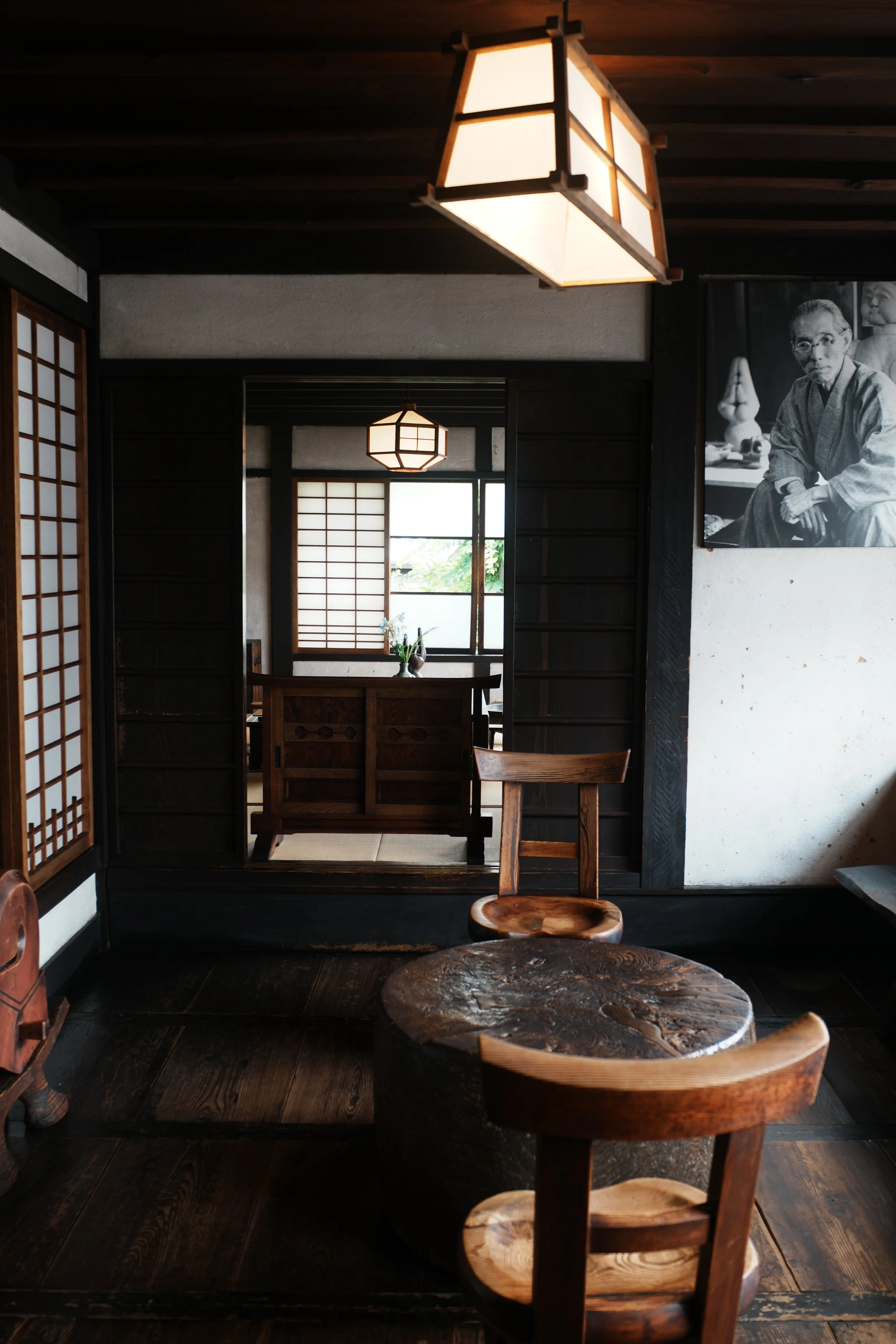
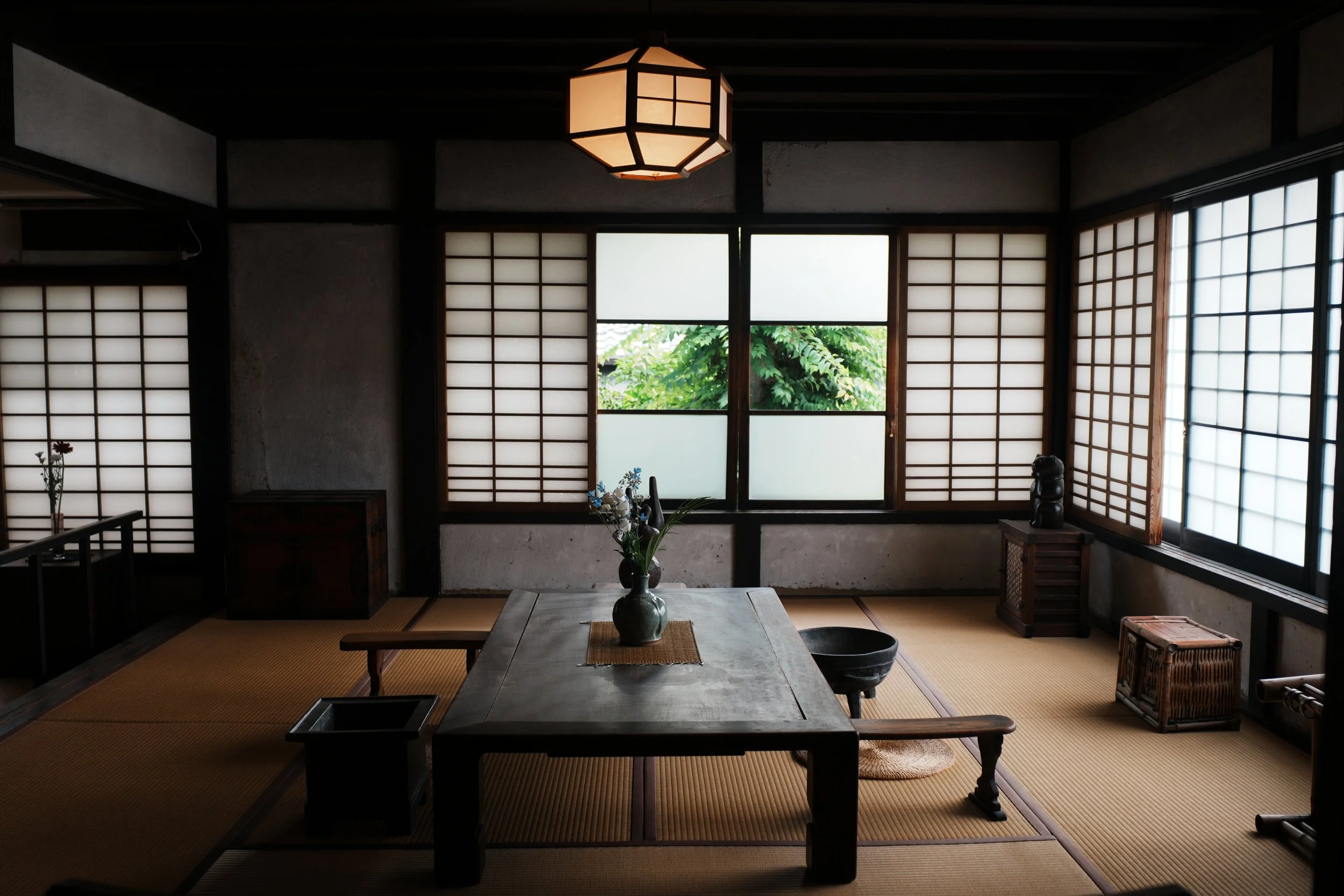
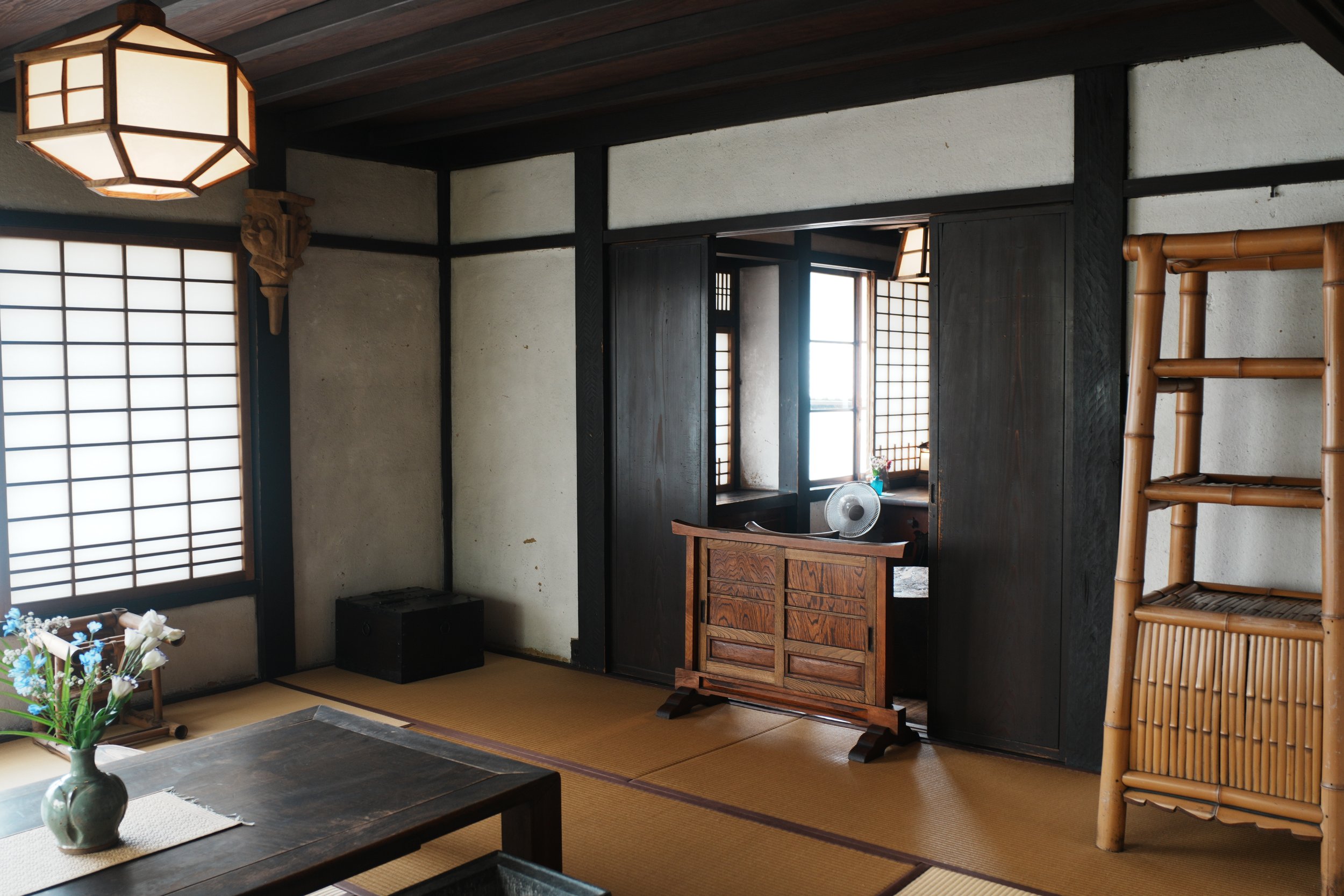
A corner of the living space showcasing ergonomic wooden chairs and custom furniture, entirely designed by master artisan Kawai Kanjiro himself.
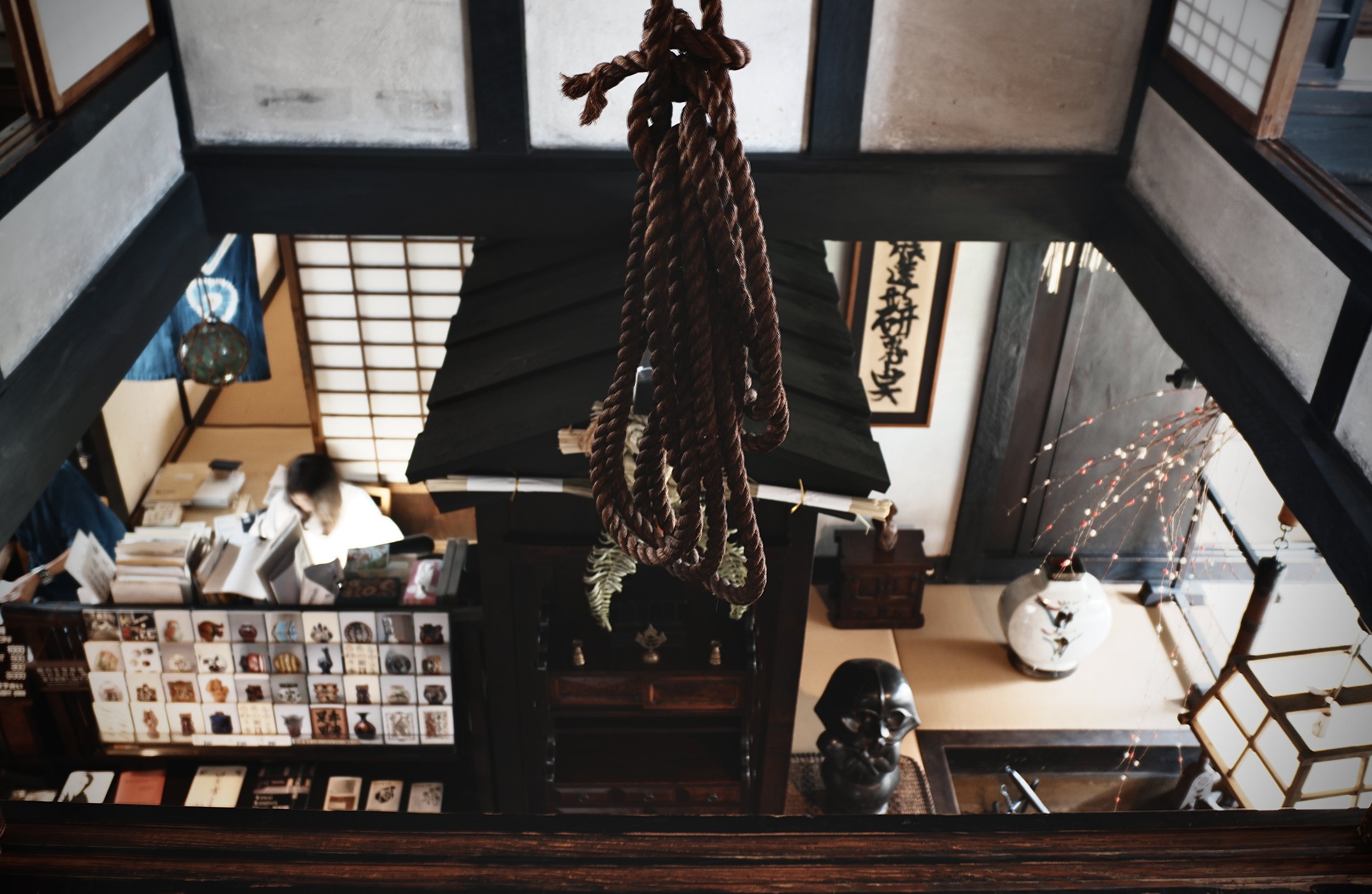
Every piece in the house feels intentional, and many were created by Kanjiro himself: household items, trays, frames, and sculptures. He displayed his own work below the wood beams throughout the house. In accordance with the Mingei philosophy, there are no household names here, only anonymous craftsmen celebrating the beauty, simplicity, and functionality of everyday, handmade objects. Interesting objects sit in every corner of the house, nothing is superfluous. Kanjiro is a proponent of “ordered poverty”, respecting “the dignity of simplicity”, humility and the intentional rejection of material excess.
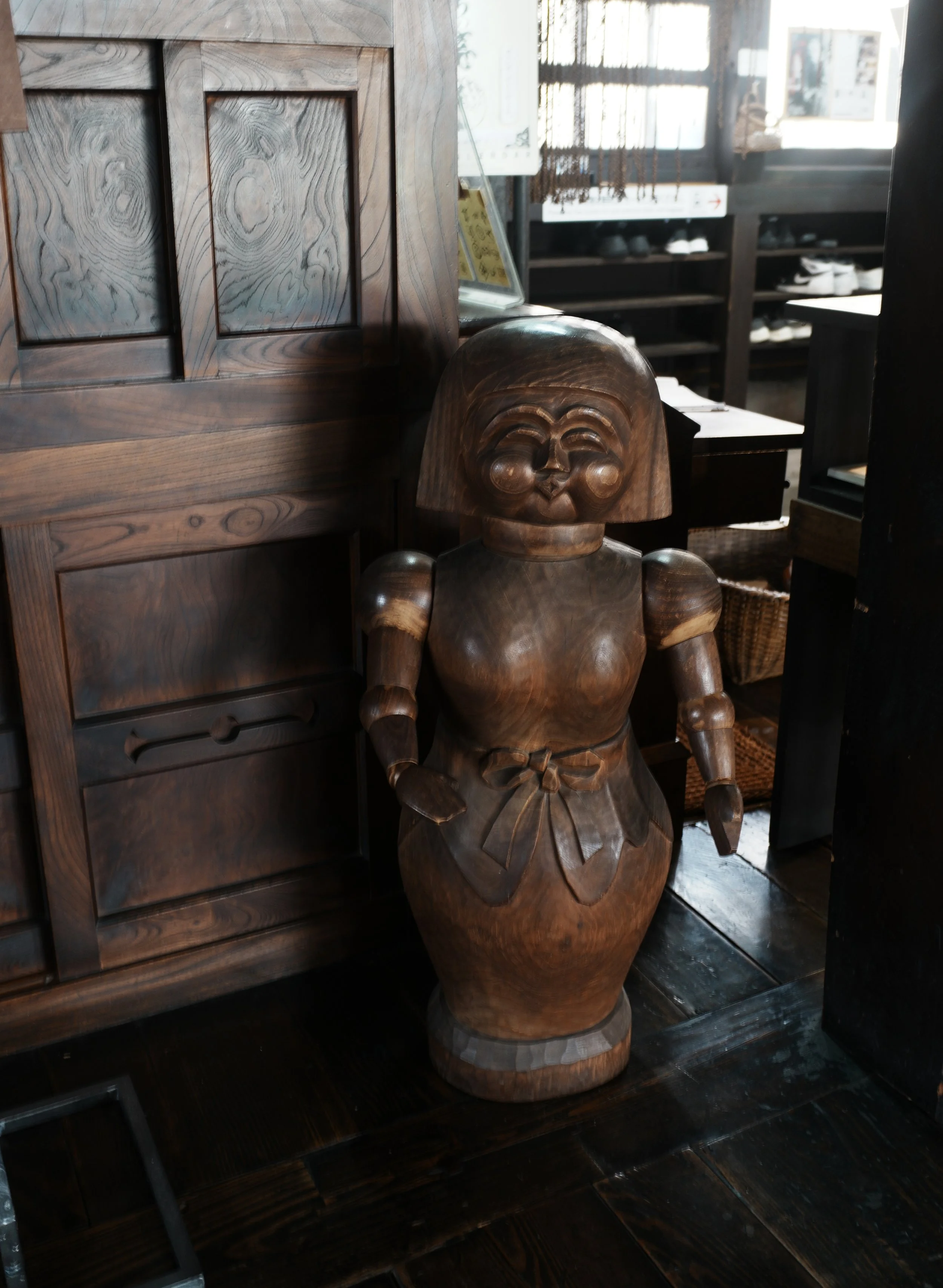
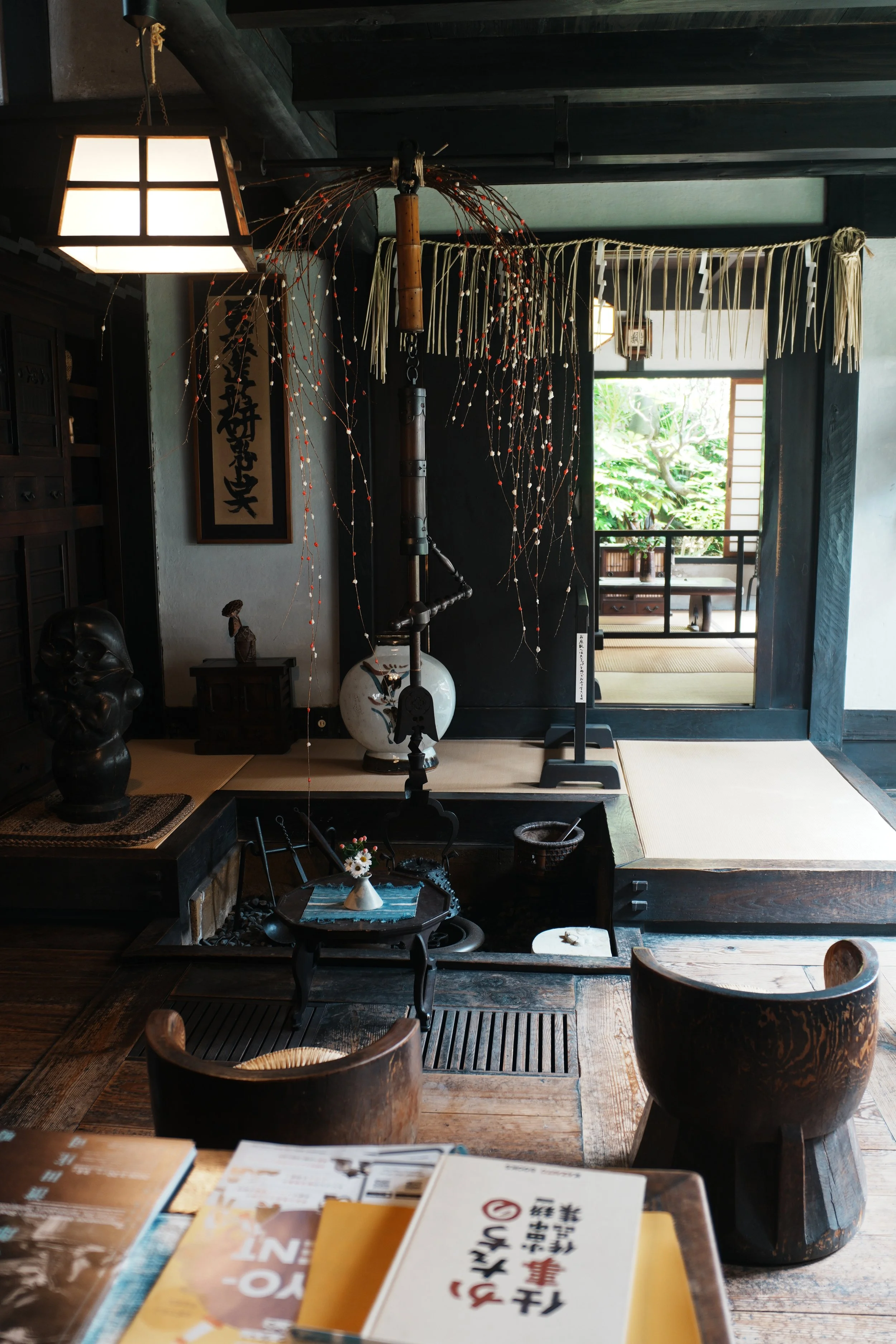
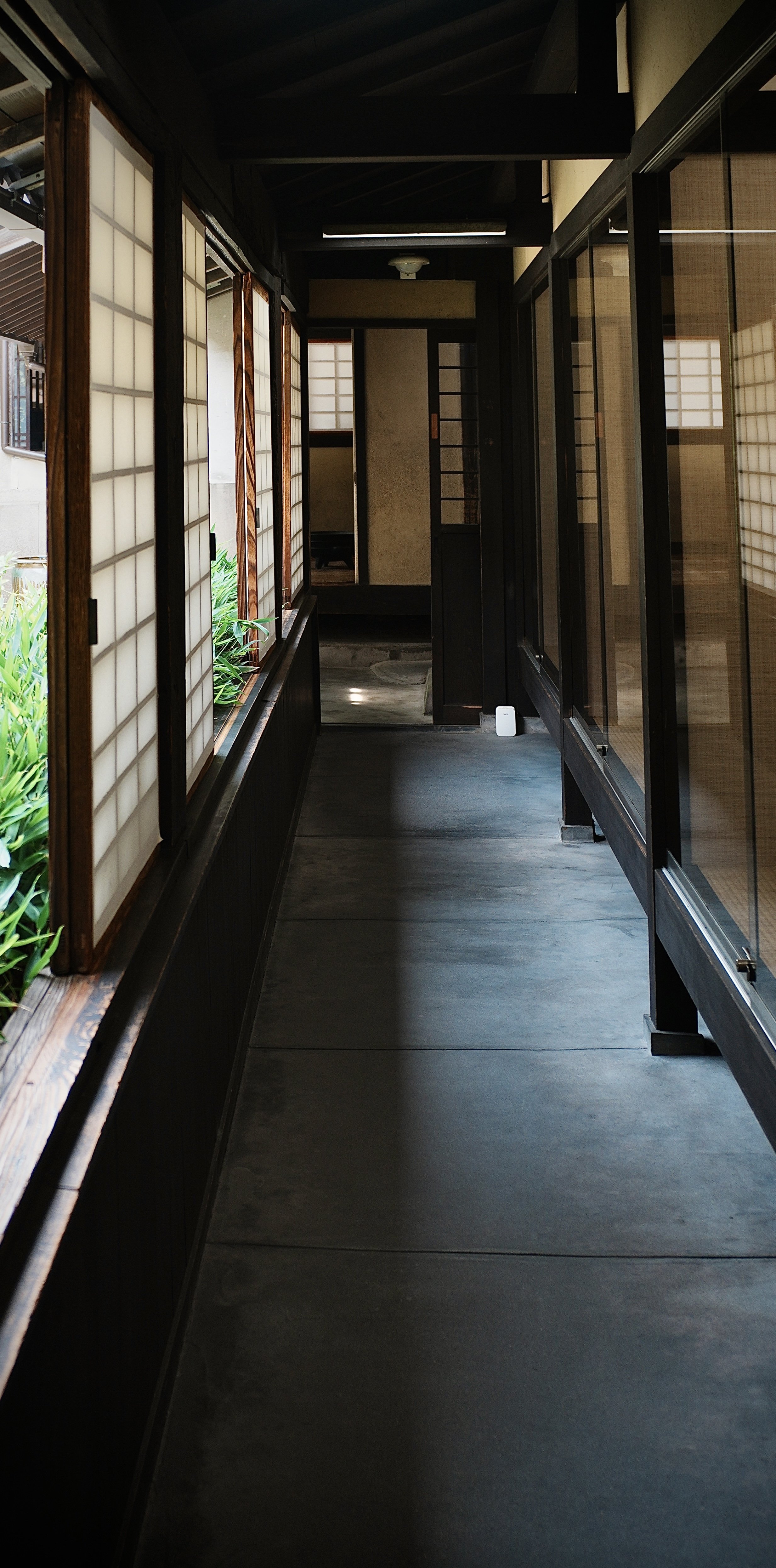
As I read about Kawai Kanjiro's life, it is clear that this house was not only a place to live, but a place to meet and create. From the study, living rooms, and guest rooms, the different spaces flow seamlessly in an open way, in freedom.
It makes me think about how intentional I am about sealing every crevice, closing every window, and patching every hole in my own space in NYC, in fear.
Outside the main house is the pottery klin Kanjiro built in 1920. Many of his famous pieces were born there. Built on a hill, it has 8 chambers. This kiln was used by 20 different neighboring families and fired once every few months for two to three nights at a time burning at 1350°C.
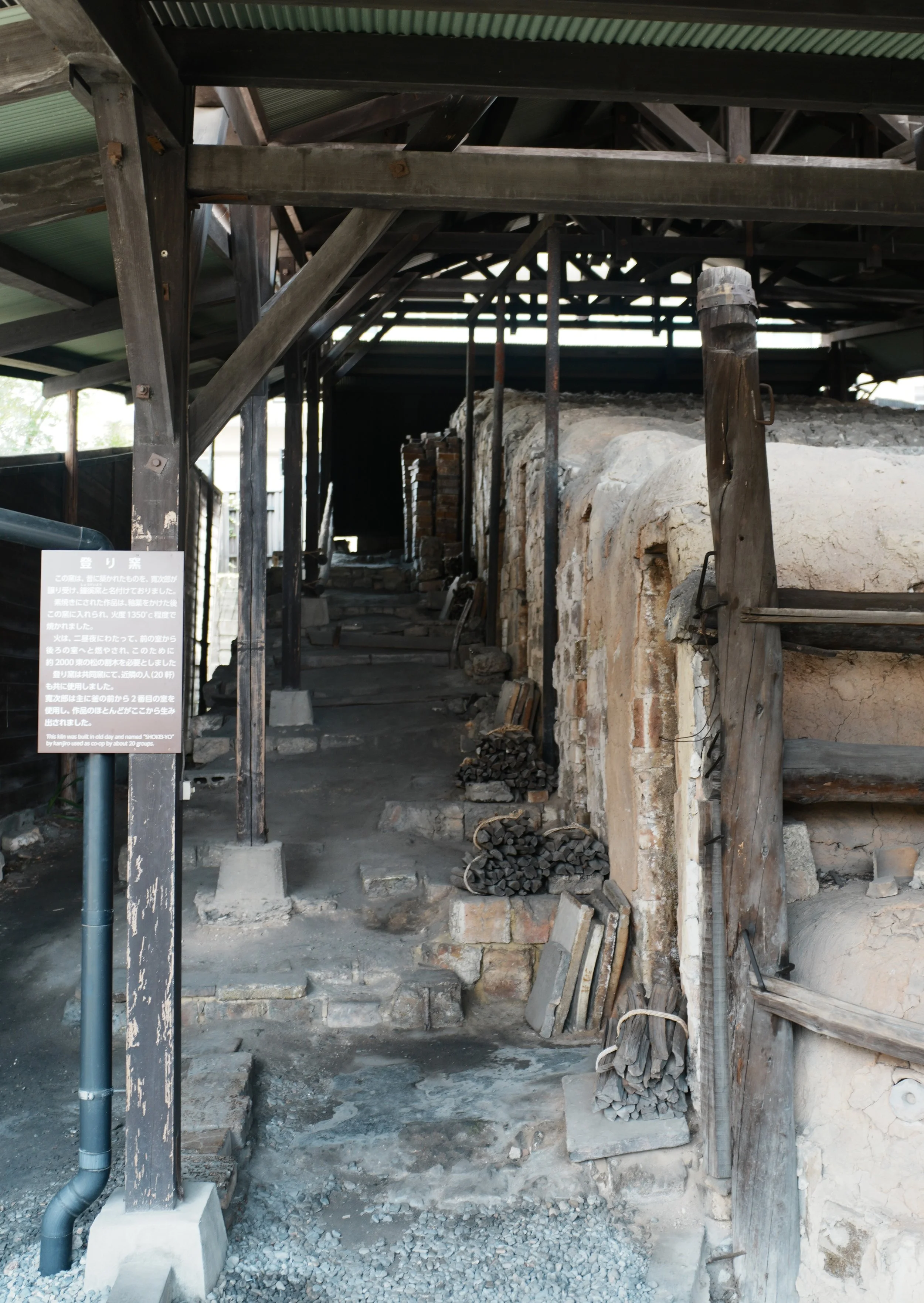
The preserved 8-chamber noborigama (climbing kiln) in the courtyard, which historically reached temperatures of 1300°C and was used as a neighborhood co-op by local potters.
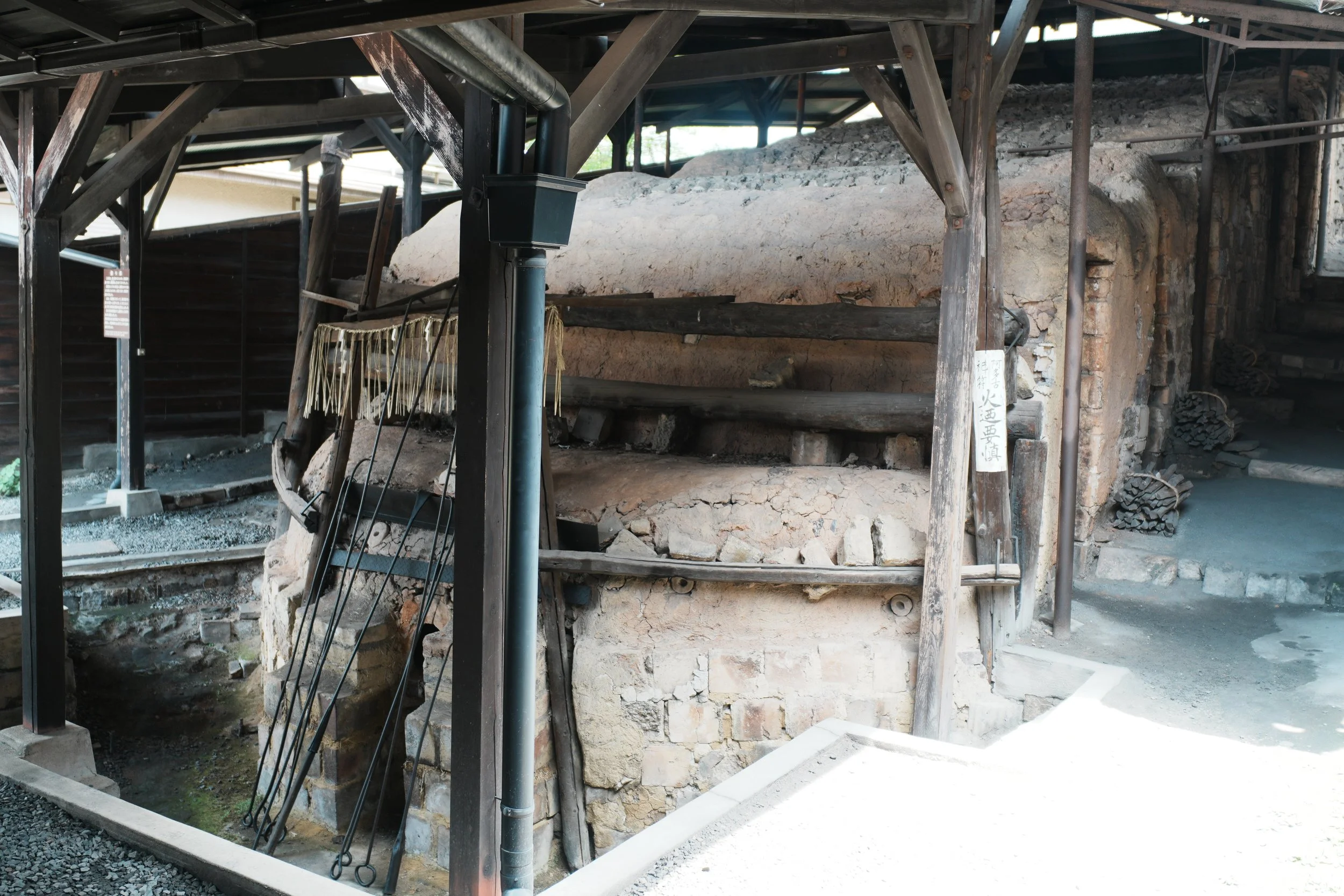
The multi-chambered noborigama (climbing kiln) inside Kawai Kanjiro's Kyoto studio, used to fire his iconic Mingei ceramics.
It is a testament to Kanjiro’s passion for handicrafts. During his time, he encouraged young potters to develop their art at a time when handicrafts were disappearing. “The capacity for expression and creation is in everyone, but not all of us realize this,” says Kawai Kanjiro. “Anyone can make beautiful things.” I truly believe this.